
AIIMS Delhi Chief M. Srinivas Set to Join NITI Aayog, Signalling Major Shift in Health Policy Leadership
The move comes as part of a broader restructuring of the NITI Aayog leadership, aimed at strengthening sectoral expertise and strategic direction.
- By Newsdesk
- New Delhi
- Apr 27, 2026
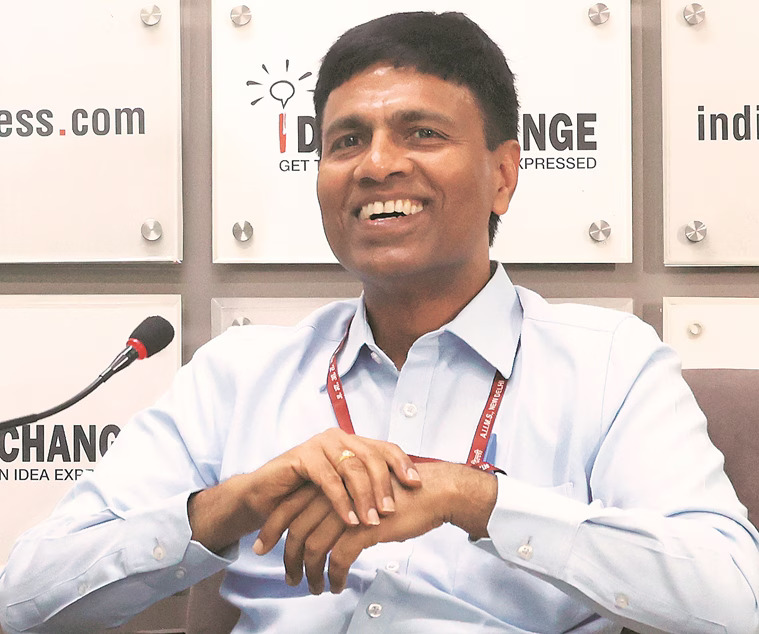
In a significant development for India’s healthcare governance, Dr. M. Srinivas, Director of the All India Institute of Medical Sciences (AIIMS), New Delhi, is poised to take on a pivotal role at the NITI Aayog, marking a transition from hospital administration to national policymaking.
According to official notifications and recent reports, Dr. Srinivas is likely to replace Dr. V.K. Paul as a full-time member of the government’s apex policy think tank. The move comes as part of a broader restructuring of the NITI Aayog leadership, aimed at strengthening sectoral expertise and strategic direction.
Dr. Srinivas, who has been serving as AIIMS Delhi Director since September 2022, brings with him a strong background in clinical practice, medical education, and institutional governance. Prior to this role, he led the ESIC Hospital and Medical College in Hyderabad, building a reputation for administrative efficiency and healthcare innovation.
His elevation to the NITI Aayog is being seen as a strategic move to deepen domain expertise in public health policy, particularly at a time when India is grappling with complex healthcare challenges ranging from infrastructure gaps to rising non-communicable diseases.
The leadership reshuffle at the policy body also includes the appointment of veteran economist Dr. Ashok Lahiri as Vice Chairman and the induction of other prominent experts, reflecting a comprehensive overhaul of the institution’s core team.
Meanwhile, Dr. Srinivas’s transition is expected to trigger changes at AIIMS Delhi. The premier medical institution is likely to appoint an interim director while the government initiates the search for a permanent successor. Names such as Dr. Nikhil Tandon have already emerged as potential contenders for the top post.
The move underscores a broader trend of integrating hands-on healthcare leadership into policymaking, with Dr. Srinivas’s experience in managing one of India’s busiest public hospitals expected to shape future reforms in accessibility, affordability, and quality of care.
As India recalibrates its healthcare strategy, this appointment could mark a crucial inflection point—bridging frontline medical realities with high-level policy execution.