
Bio-E3 Policy to Ignite a Bio-Revolution in India: Jitendra Singh
India's biotech industry has grown from USD 10 billion in 2014 to USD 100 billion in 2020 and is expected to reach USD 300 billion by 2030, crediting this progress to government support under Prime Minister Narendra Modi's leadership.
- By Newsdesk
- New Delhi
- Sep 13, 2024
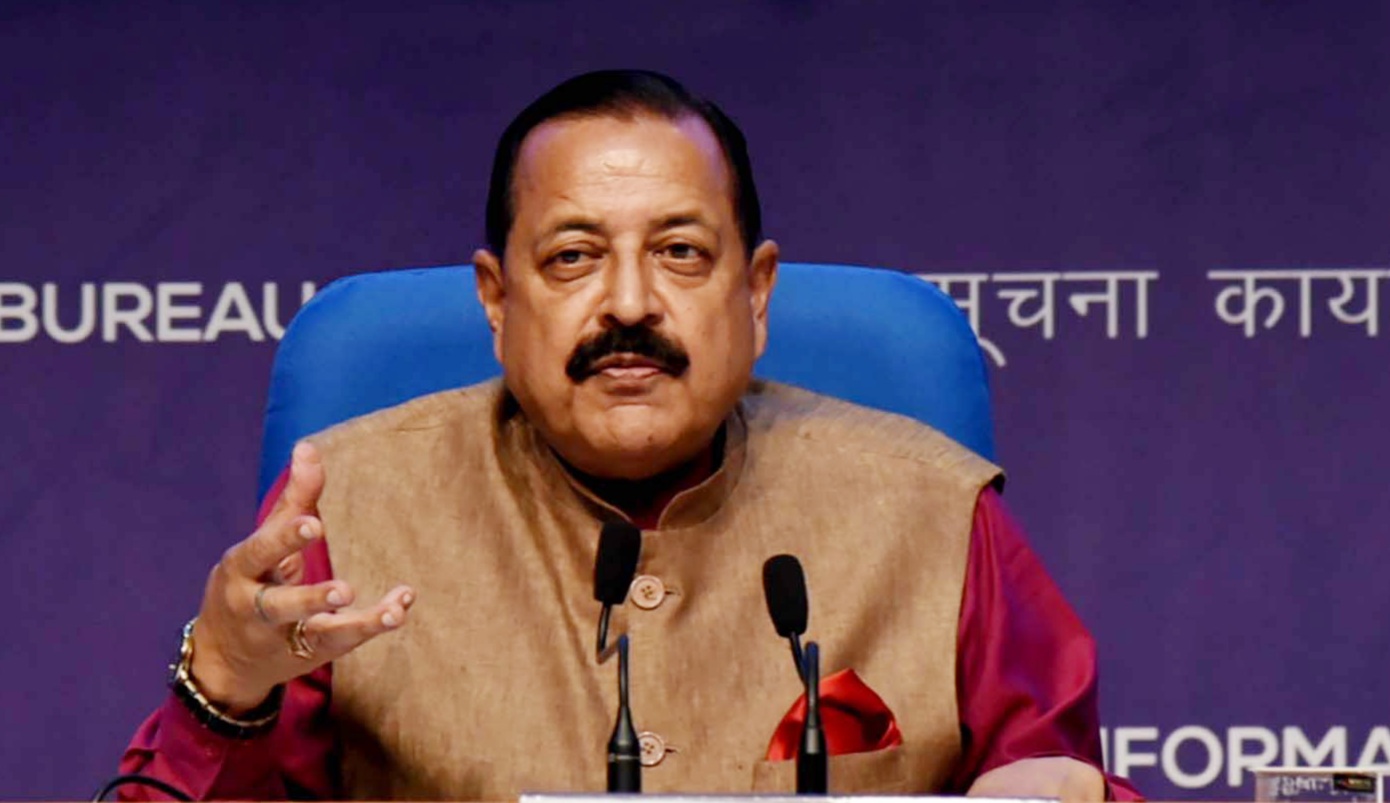
Union Minister Jitendra Singh announced that the government's Bio-E3 policy is poised to transform India into a global leader in the bio-economy, sparking a "bio-revolution" comparable to the IT boom in the West. Speaking at the Global Bio-India Summit 2024, Singh emphasized that the Bio-E3 policy, launched last month, aims to sustainably utilize biological resources to scale up innovation and biomanufacturing in areas like specialty chemicals, smart proteins, biopolymers, precision biotherapeutics, and more.
Singh highlighted the policy's role in positioning India at the forefront of the global bio-economy, with a focus on biotechnology for economic growth, employment generation, and environmental sustainability. He pointed to emerging opportunities in sectors such as bio-pharma, bio-energy, and bio-industrials, all contributing to India’s bio-economic expansion.
The minister projected that the Bio-E3 policy would not only drive innovation but also significantly aid India's transition to a greener economy, supporting efforts to combat climate change. He detailed plans for biotech hubs across India, which will facilitate collaboration between startups and established firms, particularly in tier-two and tier-three cities, creating jobs and boosting regional economies.
Singh noted India's biotech industry has grown from USD 10 billion in 2014 to USD 100 billion in 2020 and is expected to reach USD 300 billion by 2030, crediting this progress to government support under Prime Minister Narendra Modi's leadership.
Singh also lauded the Global Bio-India Summit as a unique networking platform, bringing together stakeholders ranging from startups and SMEs to large industries and international bodies, fostering collaboration and showcasing India's biotech potential. He highlighted India’s strength in vaccine manufacturing, accounting for 60% of the global market, and its position as the second-largest hub for FDA-approved manufacturing plants outside the U.S.
Dr. Rajesh S Gokhale, Secretary of the Department of Biotechnology (DBT), praised the Bio-E3 policy as a foundational step for India's bio-economy, addressing global challenges such as climate change, food security, and healthcare. He underscored DBT and BIRAC's role in promoting research, innovation, and industrial partnerships that drive bio-entrepreneurship.
Dr. N Kalaiselvi, Director General of CSIR, noted the sector's evolution from bioscience to bio-economy, with innovations in biofuels, agriculture, and biopharmaceuticals transforming lives. She emphasized India’s recent achievements in biotechnology, such as vaccine exports during the pandemic, which have enhanced the nation's global reputation.
At the summit, BIRAC signed agreements with nine international biotechnology organizations, including the United States Pharmacopeial Convention (USP) and UK Research and Innovation (UKRI), to further bolster collaborations. BIRAC also launched the Indian Bio Economy Report 2024 and unveiled several key reports and directories, including the BIRAC Compendium of Products and Technologies and the GBI Exhibitor Directory.