
Rats Receive First-Ever Transplants of Frozen Kidneys
University of Minnesota Scientists Successfully Conduct First Organ Transplant from Frozen Organ at -150 Degrees.
- By Newsdesk
- Minneapolis
- Jun 26, 2023
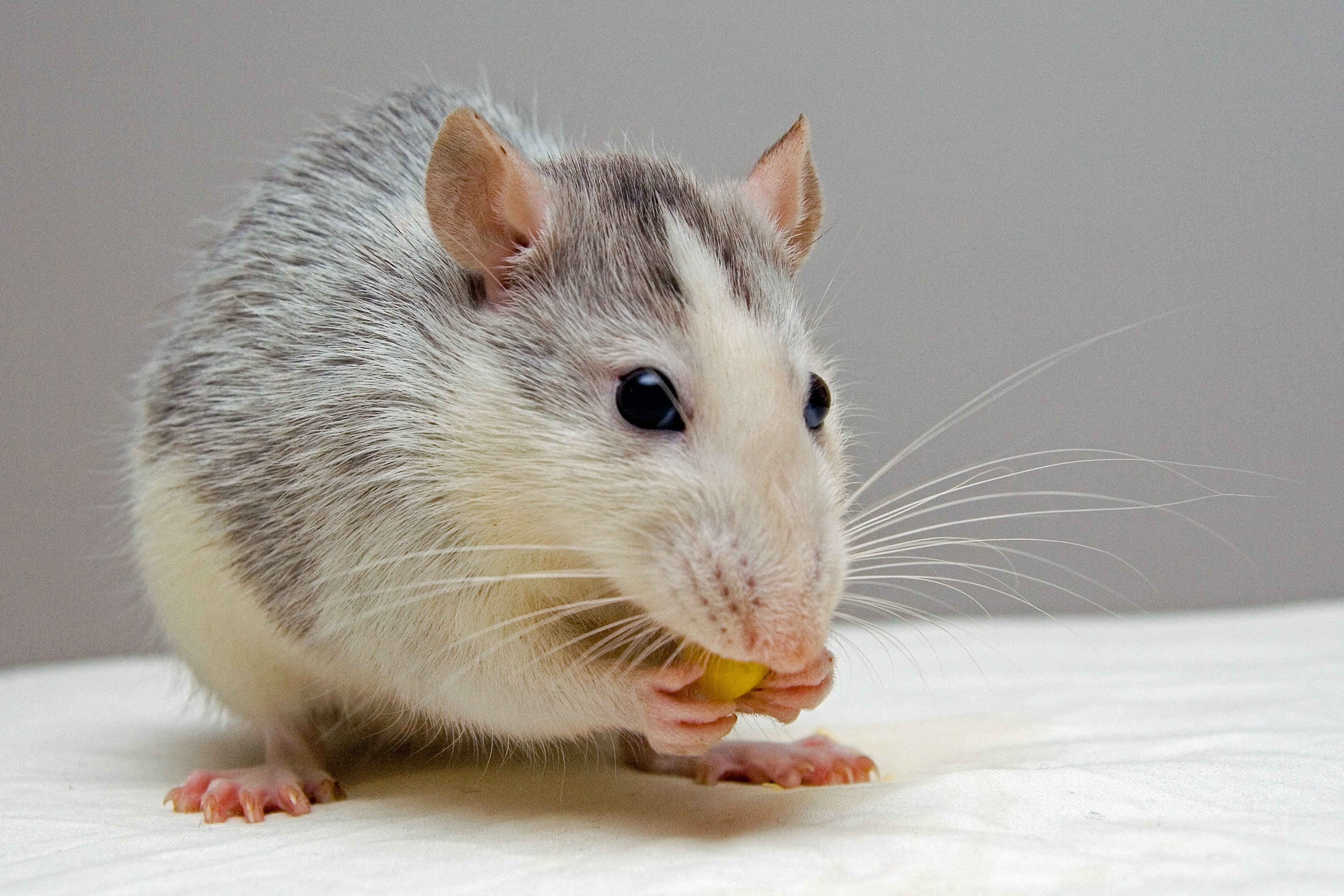
According to Vc.ru, referencing Stat, scientists from the University of Minnesota have achieved a major breakthrough by performing the first-ever successful transplantation of an organ that had been frozen at an astonishingly low temperature of -150 degrees. The experiment involved laboratory rats, and the previously frozen kidneys were transplanted into the animals. Prior to the procedure, the organs underwent a careful thawing process and were heated to the required temperature. The researchers have dedicated several years to developing a technology that can safely heat frozen tissues without causing any damage.
Following the transplantation, the thawed kidneys initially exhibited slower functionality for a few days compared to organs transplanted through traditional methods. However, after a three-week period, the kidneys' functioning was fully restored.
The research team intends to further explore the transplantation of organs frozen at extremely low temperatures using other animal models.
In the next 1-2 years, the scientists plan to commence experiments involving frozen organ transplants in humans. If these experiments prove successful, it will mark a significant advancement in organ transplantation technology, as it opens up the possibility of long-term storage of organs intended for transplantation in liquid nitrogen. Currently, the storage duration for organs designated for transplantation ranges from 4-6 hours to a day.