
A musician's head injury resulted in rare synesthesia, which caused him to 'see' music
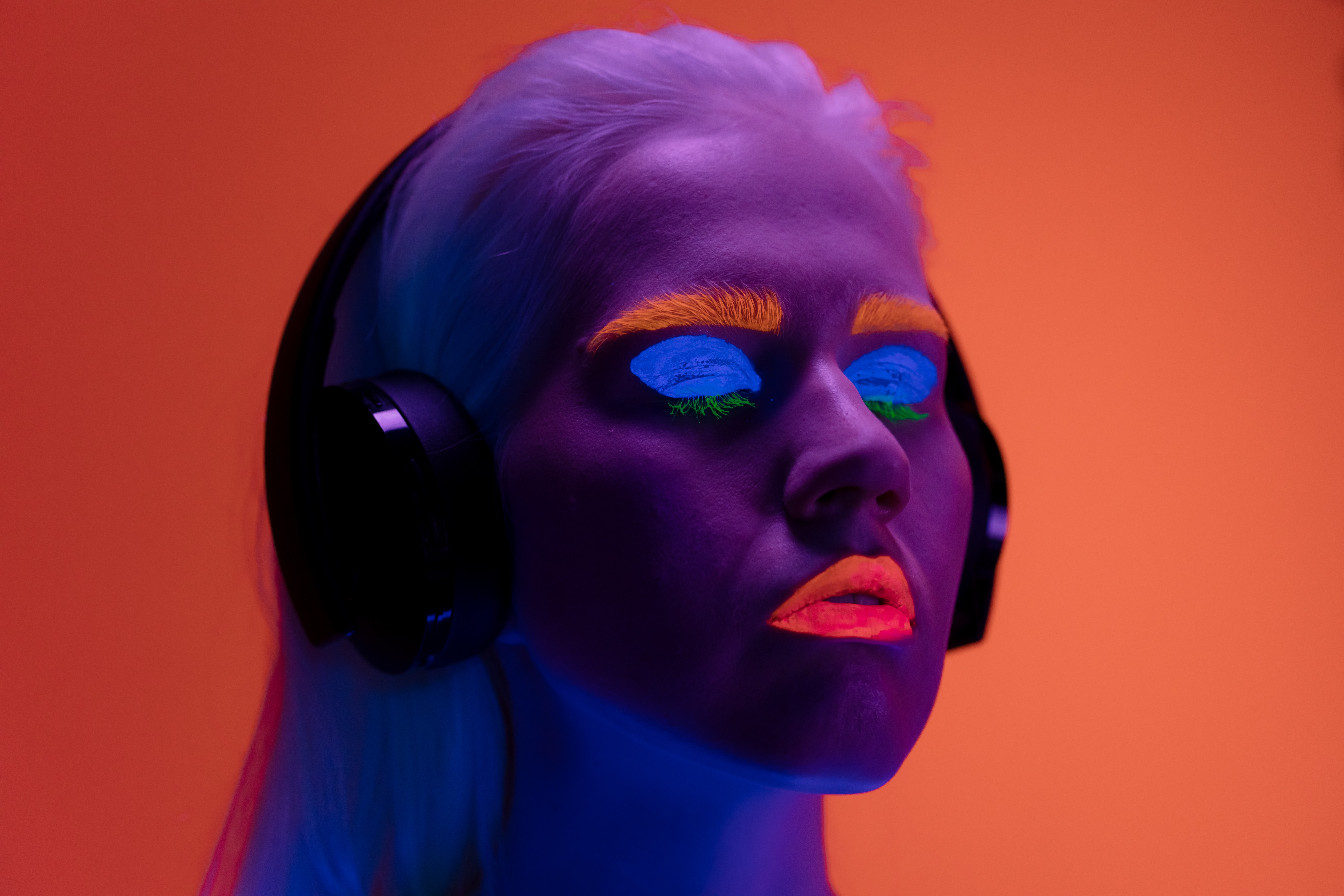
According to a new report on the case, after a musician suffered a head injury in a motorbike accident, something unusual happened: he began to "see" music and developed heightened creativity for a few months.
As per the report, the man's traumatic brain injury (TBI) caused him to develop synesthesia, a rare neurological condition that causes a "mixing" of the senses. Some people with synesthesia, for example, see specific colours or shapes when they hear specific sounds.
Hearing music caused the man to see the musical notes in his mind as if they were written on sheet music, which he had never experienced before. He also learned to name the chords in a song simply by listening to it. According to the report, which was published on May 7 in the journal Neurocase, he also reported that his creativity went into overdrive and he felt compelled to compose music late into the night.
Cases of people developing either synesthesia or heightened creativity after a brain injury have previously been reported, but the new case is one of the first to report both phenomena in a single patient, according to the authors of the case report. According to the researchers, this suggests that similar neurological pathways may be involved in the two conditions.
However, the authors cautioned that they don't know for certain if the man's brain injury caused his synesthesia and heightened creativity, and that if it did, this outcome would be extremely rare.
According to the report, the 66-year-old man was teaching music after a career as a musical performer and composer. He was in a motorbike accident in 2021 that threw him 30 feet (9 metres) from his vehicle. He was disoriented after the crash and couldn't recall it. He was taken to the hospital, where a CT scan revealed that blood had accumulated on his brain's surface, a condition known as a subdural hematoma. He was discharged from the hospital after three days because the bleeding was not severe enough to necessitate surgical treatment.
As a result of his TBI, the man experienced cognitive problems, particularly memory issues, in addition to "seeing" notes when listening to live or recorded music. The Synesthesia Battery, an online questionnaire used to assess synesthesia, confirmed that the patient did, in fact, have vision-sound synesthesia, in which sounds trigger visual imagery, the authors wrote.
Following the crash, the man reported having bursts of creativity, mostly between the hours of midnight and 4:00 a.m., during which he would compose.
As the man recovered from his TBI, his unusual symptoms faded. According to the report, three months after his accident, he reported that his cognitive difficulties had mostly resolved.
The authors of the case report stated that they are only aware of one other case of synesthesia and heightened creativity occurring together following brain injury, in which a woman felt compelled to paint after a stroke and experienced changes in her neuropathic pain (pain caused by damaged nerves) depending on the colours she used.
The neural causes of creativity and synesthesia are not fully understood, but both may involve novel brain connections, according to the new study.