
PM Modi to Launch Nationwide HPV Vaccination Drive From Ajmer; Safety Oversight and Transparency in Focus
The Centre will roll out a nationwide HPV vaccination campaign for 14-year-old girls on February 28, with attention turning to safety monitoring, transparency and long-term implementation
- By PharmaNews Live Desk
- New Delhi
- Feb 26, 2026
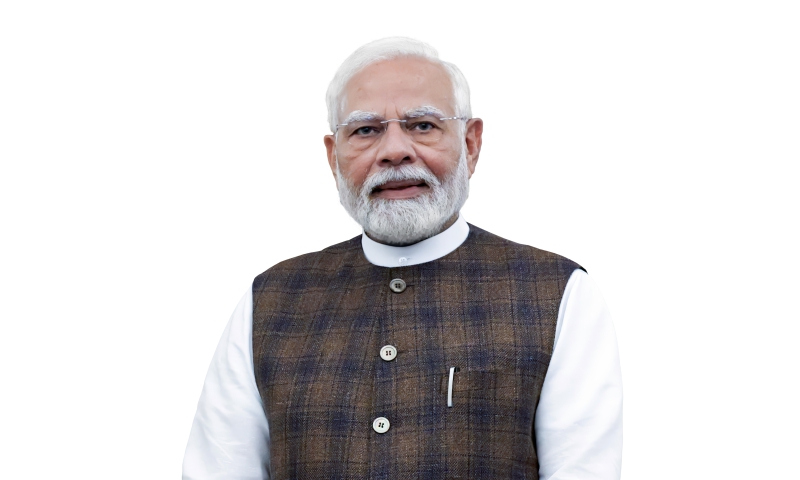
Prime Minister Narendra Modi is set to launch a nationwide Human Papillomavirus (HPV) vaccination drive from Ajmer, Rajasthan, on February 28, the Union health ministry announced. The campaign aims to expand preventive coverage against cervical cancer by targeting adolescent girls across the country.
The launch event, scheduled for 11:30 a.m., will be connected virtually to states and Union Territories through the National Informatics Centre network. According to officials, the programme will initially focus on girls aged 14, with a special three-month window allowing those who turn 15 during that period to receive the vaccine.
Target Group and Rollout Plan
Health ministry officials said doses will be administered at government health facilities during an intensive initial phase, after which the vaccine is expected to be integrated into routine immunisation services. The vaccine identified for the campaign is Gardasil-4, which protects against four HPV strains associated with cervical cancer and other related conditions.
Authorities have clarified that vaccination will be voluntary and subject to parental or guardian consent. While the Centre has indicated that doses will be provided free of cost in public facilities, detailed state-wise distribution plans, monitoring systems and coverage benchmarks have not yet been fully outlined in the public domain.
Cervical Cancer Burden
Cervical cancer remains among the leading cancers affecting women in India. Government data indicates that thousands of new cases are recorded annually, with a substantial proportion diagnosed at later stages, often due to limited screening access and awareness.
The health ministry has stated that HPV vaccination, alongside regular screening and awareness campaigns, could help reduce disease incidence. However, public health experts note that vaccination alone cannot address systemic gaps in early detection, follow-up care and rural healthcare outreach.
Safety Oversight and Transparency
The nationwide rollout also comes amid recurring public concerns regarding vaccine safety and post-immunisation monitoring. Although HPV vaccines have been widely used internationally and cleared by regulatory authorities, previous immunisation drives in India have faced scrutiny over reporting and investigation of adverse events.
Health experts stress that a large-scale campaign of this nature requires a clearly defined and independently monitored adverse event reporting system. So far, the government has not publicly detailed the surveillance framework specific to this drive or clarified how data on potential side effects will be made accessible to the public.
Ensuring real-time tracking of adverse events, transparent communication and prompt medical response mechanisms will be central to sustaining public trust. Experts argue that clear disclosure — including information on rare but possible side effects — will be critical in preventing misinformation and vaccine hesitancy.
Implementation Challenges
State administrations have begun receiving vaccine consignments ahead of the February 28 launch. However, logistical challenges such as maintaining cold-chain systems, ensuring completion of multi-dose schedules and mobilising beneficiaries — particularly in rural and underserved regions — remain significant.
Public health observers note that sustained funding, consistent procurement and integration with school health systems will be necessary for long-term success. The Centre has not yet specified the overall financial allocation for the programme or released detailed projections on coverage timelines beyond the initial phase.
As the launch date approaches, the HPV vaccination drive marks an expansion of India’s immunisation efforts. Its long-term effectiveness will likely depend not only on coverage figures but also on the robustness of safety oversight, transparency in reporting and sustained implementation across states.