
Childhood bronchitis, pneumonia linked with higher death risk from respiratory infection as adult: Lancet Study
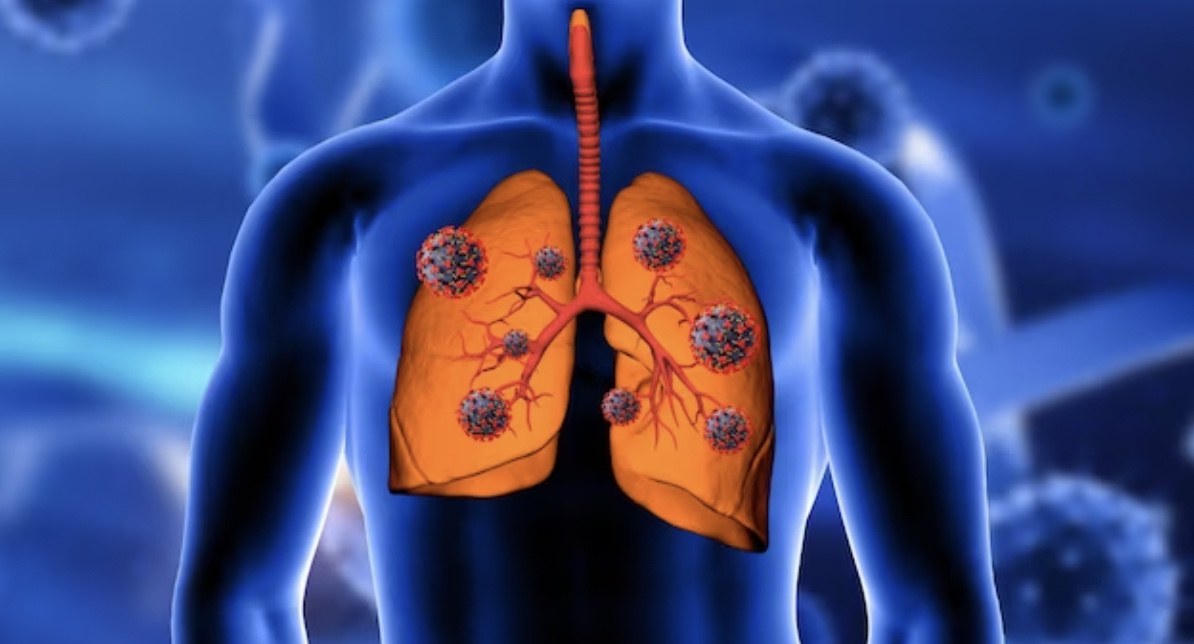
People who had contracted respiratory infections by the age of two, such as bronchitis and pneumonia, are almost twice as likely to die prematurely in adulthood from respiratory illness, according to a study published in The Lancet journal.
Led by the researchers from Imperial College London, the study that spans for more than 73 years, suggest that the lower respiratory tract infections (LRTI) in early childhood are associated with an increased risk in death from respiratory illness between the ages of 26 and 73 years.
The analysis suggests that the children who had a LRTI by the age of two were 93 per cent more likely to die prematurely as adults from respiratory disease, than children who had not had a LRTI by age two.
This equates to a 2.1 per cent rate of premature adult death from respiratory disease among those who had a LRTI in early childhood, compared to 1.1 per cent among those who did not report a LRTI before the age of two, according to the research.
The study used data from a nationwide British cohort (The National Survey of Health and Development), which enlisted individuals at birth in 1946, and looked at health and death records up to the year 2019.
Of the 3,589 participants, 25 per cent had a LRTI before the age of two. By the end of 2019, 19 per cent of participants had died before the age of 73 years. Among these 674 premature adult deaths, 8 per cent participants died from respiratory disease, mostly COPD. The study estimates that early childhood LRTI were linked to 179,188 excess deaths across England and Wales over the 47 years between 1972 and 2019, equivalent to one fifth of the premature deaths from respiratory disease in this period.
The findings provide substantial evidence that early respiratory health has an impact on mortality later in life, and challenge the norms that adult deaths from respiratory diseases is only linked to smoking. “Therefore, identifying young children with LRTIs and actively optimizing their health as they and their lungs grow into adulthood might be one way to break the connection between poor respiratory health in childhood and adulthood”, the report said.
The authors acknowledge some limitations with the study-- Although socioeconomic background and smoking were adjusted for in the analysis, there may have been other factors that were unreported, such as parental smoking and being born premature. During this life spanning study, societal change may also have driven changes in lung function of subsequent cohorts, altering outcomes. The study was not able to investigate which bacteria or viruses caused the LRTI in the children.
The exposures of early childhood are linked to the course of one’s health through adulthood. Writing in a linked article, Heather Zar of University of Cape Town, South Africa, who was not involved in this research, says: “The study by Allinson and colleagues adds to the evidence that adults whose chronic lung disease has been attributed to smoking-related effects might also have disease resulting from childhood exposures that are largely preventable”. “This study indicates that prevention of early childhood LRTI should be a key priority”, adds Zar.
Read the full report <here> https://www.thelancet.com/journals/lancet/article/PIIS0140-6736(23)00131-9/fulltext