
Delhi-NCR on High Alert as Hepatitis A and E Infections Surge
Hospitals report a sharp 30% to 40% rise in acute viral hepatitis compared to drier months, with outpatient departments particularly overwhelmed over the past three weeks.
- By Newsdesk
- New Delhi
- Aug 25, 2025
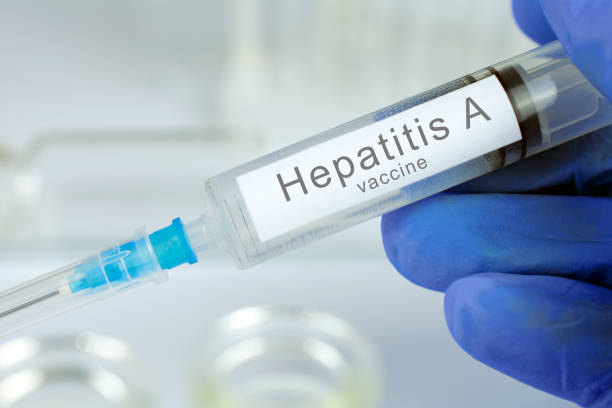
The onset of monsoon has triggered a worrisome surge in hepatitis A and E cases across the Delhi-NCR region. Hospitals report a sharp 30% to 40% rise in acute viral hepatitis compared to drier months, with outpatient departments particularly overwhelmed over the past three weeks.
Seasonal Surge & Root Causes
Doctors attribute the spike to monsoon-related issues—waterlogged streets, open sewage, contaminated drinking water, and unhygienic food practices, especially in densely populated areas like slums. The problem is exacerbated by fast-paced urbanization, aging infrastructure, and unchecked street food vending.
Who's Most Vulnerable?
The Liver Transplantation Society of India (LTSI) reports that over 70% of monsoon-related waterborne hepatitis cases are due to the hepatitis E virus. Meanwhile, hepatitis A remains particularly common among children under 15.
Clinicians warn of heightened risks: hepatitis E poses a grave threat during pregnancy, whereas hepatitis A can sometimes escalate to liver failure, necessitating a transplant.
Dr. Abhideep Chaudhary, vice-chair of HPB and Liver Transplantation at BLK-Max Hospital and LTSI president-elect, revealed that his OPD has seen a 40% increase in hepatitis cases in just three weeks. He highlighted a critical issue: “Many patients are unaware of hepatitis vaccinations. Unsafe water and lack of awareness remain key triggers.”
A Recurring Challenge
LTSI president Dr. Sanjiv Saigal lamented the predictability of this annual epidemic. “Despite recurring patterns, preparedness remains inadequate. These infections are entirely preventable—with clean water, safe food practices, and targeted vaccination,” he remarked.
The WHO estimates nearly 20 million global hepatitis E infections each year, with India contributing a substantial share due to seasonal outbreaks.
Barriers to Timely Treatment
A dangerous misconception—that jaundice from hepatitis is self-limiting—delays medical care. Experts warn that postponing treatment can result in serious complications or even fatalities.
Responding with Awareness and Prevention
To counter the surge, NGOs and health agencies are ramping up efforts: organizing health camps, distributing educational materials, and raising hygiene awareness in flood-prone areas. Dr. Monika Jain of Sri Balaji Action Medical Institute advises: “Eat only freshly cooked food, avoid street delicacies when possible, consume safe water, and wash hands frequently with soap.”
The Path Forward
While conditions like hepatitis B and C often dominate public attention due to their long-term impact, experts emphasize that hepatitis A and E are no less dangerous—especially during monsoon. They reaffirm that these infections are largely preventable and that public health strategy must prioritize proactive intervention over reactive treatment.
(With inputs from FE)