
Delhi to Get Over 100 New Ayushman Arogya Mandirs by August, Says Health Minister
The announcement was made during a high-level review meeting held at the Delhi Secretariat, where Singh reaffirmed the government’s commitment to making quality healthcare accessible and affordable to every resident of the city.
- By PTI
- New Delhi
- Jul 22, 2025
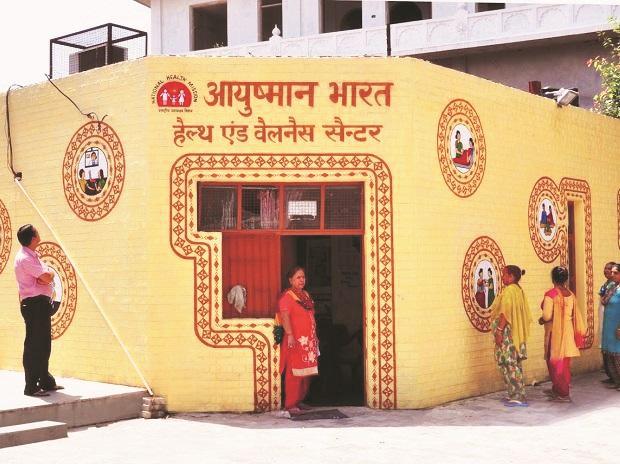
In a significant push to expand primary healthcare infrastructure across the national capital, Delhi Health Minister Pankaj Singh announced on Monday that more than 100 new Ayushman Arogya Mandirs will be operational in the city by August 2025. Of these, over 30 clinics are slated to be inaugurated by the end of July, with 75 more expected to open their doors in the following month.
The announcement was made during a high-level review meeting held at the Delhi Secretariat, where Singh reaffirmed the government’s commitment to making quality healthcare accessible and affordable to every resident of the city.
“A comprehensive survey is currently underway to identify over 950 potential locations for the establishment of these health centres,” Singh stated. He directed officials to expedite the identification of suitable vacant spaces—ranging from community centres and market shops to polyclinics, banquet halls, and unused government buildings—that could be repurposed for the initiative.
So far, 429 sites under the Municipal Corporation of Delhi (MCD) have been earmarked, and no-objection certificates (NOCs) have already been granted for 98 of them, paving the way for rapid implementation.
Singh reiterated the government's ambitious target of setting up 1,139 Ayushman Arogya Mandirs across the city, with a focus on underserved neighborhoods and rural clusters. “This initiative will bring equitable healthcare access closer to people’s homes, especially in areas that have long remained neglected,” he said.
The Ayushman Arogya Mandirs, launched under a central government initiative, are envisioned as comprehensive health and wellness centres. They are designed to provide a wide spectrum of primary care services, including screening and management of non-communicable diseases, palliative and rehabilitative care, mental health support, and treatment for oral, eye, and ENT ailments.
With this large-scale rollout, Delhi is poised to significantly strengthen its grassroots healthcare delivery system and align with the broader goal of universal health coverage.