
Doctors Sound Alarm Over Rising Health Risks as Delhi Braces Under Heatwave and IMD’s Yellow Alert
On Monday, Delhi recorded its first heatwave of the season, with the mercury reaching a sweltering 40.2°C. Under the IMD’s color-coded alert system, a yellow alert is a signal to “be aware,” encouraging people to stay out of the sun, wear light-colored, loose-fitting cotton clothes, and keep their heads covered when stepping outdoors.
- By Newsdesk
- New Delhi
- Apr 08, 2025
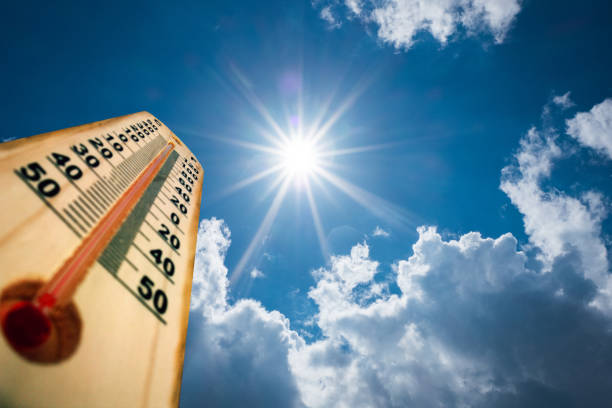
As temperatures continue to rise sharply across Delhi, health experts are raising urgent concerns about the potential dangers posed by prolonged exposure to extreme heat. With the India Meteorological Department (IMD) issuing a yellow alert for the capital—set to remain in effect until Wednesday—doctors are advising residents to take necessary precautions to avoid serious health complications.
On Monday, Delhi recorded its first heatwave of the season, with the mercury reaching a sweltering 40.2°C. Under the IMD’s color-coded alert system, a yellow alert is a signal to “be aware,” encouraging people to stay out of the sun, wear light-colored, loose-fitting cotton clothes, and keep their heads covered when stepping outdoors.
Rising Temperatures, Rising Health Risks
Medical professionals are particularly concerned about the health impact of the ongoing heatwave, especially on vulnerable populations such as children, elderly individuals, pregnant women, and those with chronic conditions like heart disease, kidney problems, or diabetes.
Dr. Mukesh Mehra, Senior Director of Internal Medicine at Max Super Speciality Hospital, Patparganj, explained that the human body’s natural cooling system can become overwhelmed in extreme heat, leading to potentially life-threatening conditions.
“Heatstroke is the most dangerous heat-related illness, occurring when the body temperature exceeds 104°F. Symptoms can include confusion, dry and flushed skin, rapid pulse, and in severe cases, seizures,” Dr. Mehra warned. “Other warning signs include dizziness, headaches, nausea, and vomiting. If not treated promptly, it can strain vital organs like the brain and heart, resulting in serious complications.”
From Heat Rashes to Heatstroke: A Growing Concern
Echoing these concerns, Dr. Rajat Sharma, a resident doctor in community medicine at UCMS and GTB Hospital, noted that exposure to high temperatures—even for short periods—can cause a spectrum of health issues. Milder symptoms may begin with heat rashes and muscle cramps caused by excessive sweating and loss of essential salts. However, these can rapidly escalate to more severe conditions such as heat exhaustion, which manifests as heavy sweating, fatigue, nausea, and dizziness.
“If left untreated, heat exhaustion can progress to heatstroke, a critical medical emergency where the body’s ability to regulate temperature fails. This can lead to disorientation, loss of consciousness, and even death,” Dr. Sharma cautioned. He emphasized the importance of early intervention, advising that anyone showing symptoms should be immediately moved to a shaded or air-conditioned environment.
Staying Safe in the Heat
To mitigate the risks associated with heatwave conditions, doctors across the city are advising people to prioritize hydration, avoid outdoor activities during peak sun hours (typically between 12 PM and 4 PM), and wear breathable, light-colored clothing. Dr. Mehra stressed that preventive care is key in such weather.
“Hydration plays a vital role in supporting the body’s cooling mechanisms. If you must be outdoors, take frequent breaks, seek shade whenever possible, and gradually acclimate your body to the rising temperatures,” he said. “Understanding individual risk factors—such as age or existing medical conditions—can go a long way in preventing heat-related illnesses.”
Additional Summer Health Risks
Apart from heat-related issues, the summer season also brings with it the threat of viral infections and waterborne diseases due to increased contamination risks. Dr. Ushast Dhir, Director of Liver Transplant and Hepatobiliary Surgery at Sir Ganga Ram Hospital, highlighted that the elderly, children, and diabetics are particularly vulnerable.
“Alongside the threat of heatstroke, dehydration is another common concern during extreme heat. It's important to consume non-caffeinated fluids like water and fresh juices. Beverages like tea, coffee, and carbonated drinks can actually exacerbate dehydration and should be avoided during peak heat,” he advised.
A Respite on the Horizon?
There may be some relief in sight. According to Mahesh Palawat, Vice President at Skymet Weather Services, Delhi is likely to experience a dip in temperatures after April 10. A western disturbance moving over North India is expected to bring cloud cover and cooler weather, offering a temporary reprieve from the oppressive heat.
Until then, health officials and meteorologists alike urge residents to remain vigilant, practice heat safety measures, and look out for signs of heat-related illnesses—not only in themselves but also in those around them.
(With inputs from PTI)