
India Convenes Landmark Rare Diseases Summit in New Delhi to Strengthen Diagnosis, Research and Patient Support
Experts, policymakers and patient advocates gather in the capital to push for stronger policy action, innovation and collaboration to address the growing burden of rare diseases in India
- By PharmaNews Live Desk
- New Delhi
- Mar 12, 2026
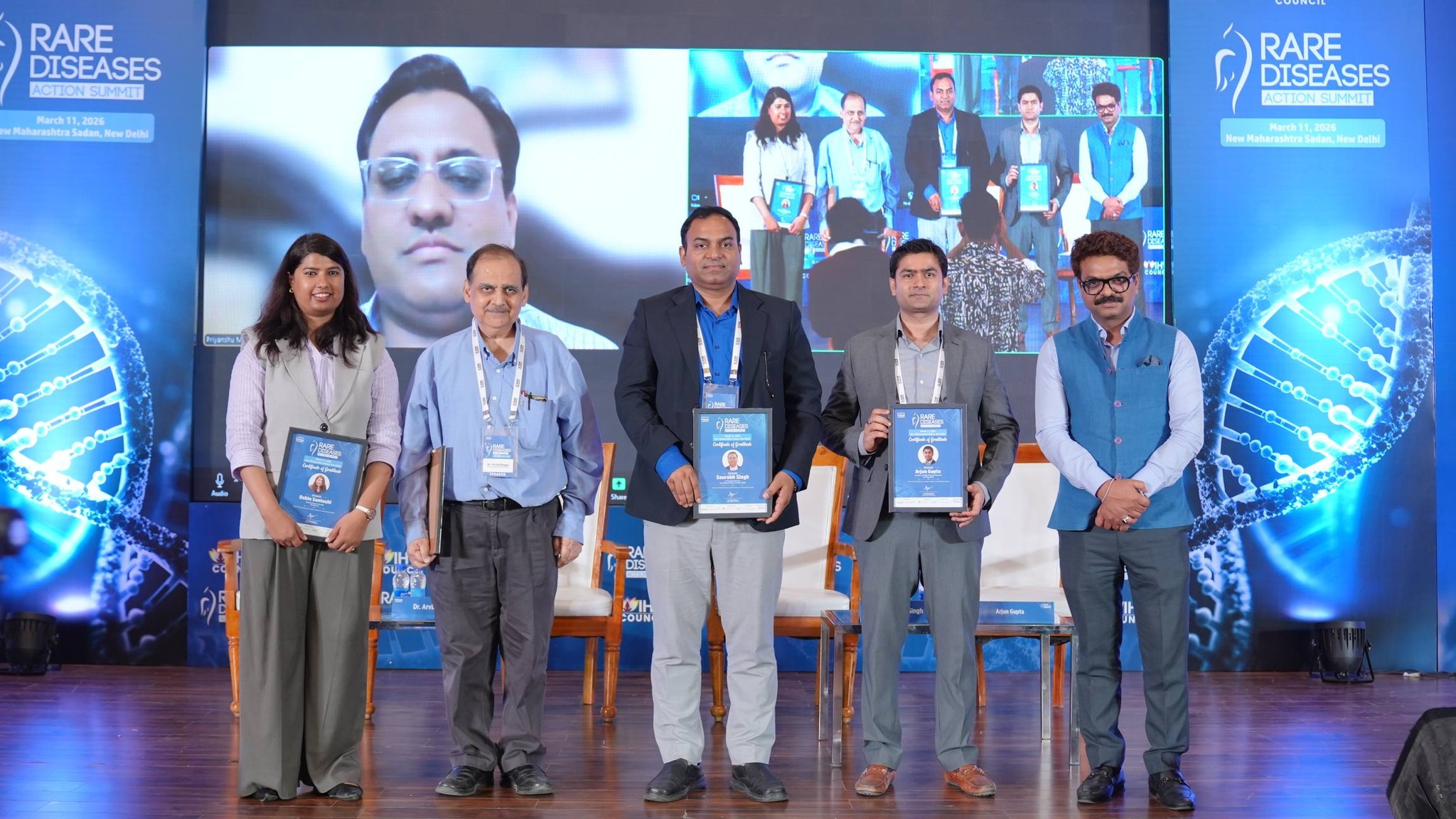
India brought together policymakers, healthcare experts, researchers and patient groups at a landmark Rare Diseases Action Summit in New Delhi on March 11, 2026, aiming to accelerate national efforts to address the growing challenge of rare diseases through stronger policy frameworks, research collaboration and patient-centric healthcare strategies.
The summit served as a national platform to shift the conversation from awareness to concrete action, focusing on improving early diagnosis, expanding treatment access and strengthening support systems for people living with rare diseases in India.
Organisers said the initiative reflects a growing recognition that rare diseases, though individually uncommon, collectively affect millions of people and require coordinated responses across healthcare systems, research institutions and regulatory bodies.
Platform for Policy Dialogue and Collaboration
The Rare Diseases Action Summit brought together clinicians, scientists, industry leaders, policymakers and patient organisations to discuss strategies for improving rare disease care and advancing research in India.
Sessions focused on bridging gaps in diagnosis, promoting innovation in treatment development, and strengthening partnerships among government agencies, research institutions and the pharmaceutical industry.
Participants also emphasised the need for a coordinated national roadmap that aligns policy measures, funding mechanisms and research initiatives to accelerate the development of therapies and improve patient outcomes.
Urgent Need for Early Diagnosis and Treatment
Experts highlighted the significant challenges faced by patients with rare diseases, including delayed diagnosis, limited treatment options and high therapy costs.
Globally, between 6,000 and 10,000 rare diseases have been identified, affecting an estimated 300–450 million people worldwide, with the majority lacking approved treatments.
In India alone, an estimated 72–96 million people are believed to be living with rare diseases, underscoring the scale of the public health challenge.
Speakers noted that improving genetic testing, expanding newborn screening programmes and strengthening specialised clinical centres could significantly reduce diagnostic delays and improve treatment outcomes.
Focus on Innovation and Patient-Centric Healthcare
The summit also explored how emerging technologies such as genomics, personalised medicine and digital health tools can play a critical role in advancing rare disease research and treatment.
Experts stressed that innovation in diagnostics, drug development and regulatory pathways will be essential to make therapies more accessible and affordable.
At the same time, patient advocacy groups called for stronger support mechanisms for families affected by rare diseases, including financial assistance, improved access to specialised care and expanded awareness programmes.
Moving from Awareness to Action
Organisers said the summit aims to drive long-term policy and healthcare reforms by bringing diverse stakeholders together to build a coordinated response to rare diseases.
The initiative highlights India’s growing commitment to addressing rare diseases through stronger collaboration between government, academia, healthcare providers and industry stakeholders.
With rare diseases increasingly recognised as an emerging public health priority, experts at the summit emphasised that sustained investment in research, policy implementation and patient support will be critical to improving outcomes for millions of patients across the country.