
India Poised for Obesity Treatment Breakthrough as Affordable Weight-Loss Injections Hit Market
India is on the cusp of a major shift in obesity care, with the arrival of low-cost weight-loss injections expected to dramatically expand access to treatment for millions. The development follows the recent expiry of the patent for semaglutide, a key drug used globally to manage both diabetes and obesity triggering a surge of affordable alternatives from domestic pharmaceutical companies.
- By Newsdesk
- New Delhi
- Mar 23, 2026
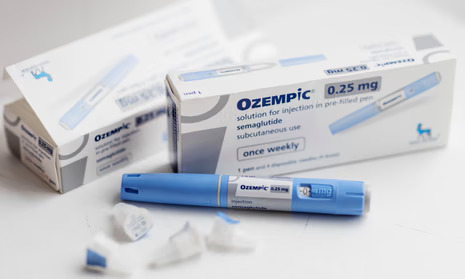
India is on the cusp of a major shift in obesity care, with the arrival of low-cost weight-loss injections expected to dramatically expand access to treatment for millions. The development follows the recent expiry of the patent for semaglutide, a key drug used globally to manage both diabetes and obesity triggering a surge of affordable alternatives from domestic pharmaceutical companies.
Within days of the patent lapse, leading Indian drugmakers including Sun Pharma, Zydus Lifesciences, and Dr. Reddy’s Laboratories launched their own versions of semaglutide injections. These therapies, which were previously priced at a premium globally, are now being offered at significantly reduced costs some starting as low as ₹900 per week or roughly ₹1,300–₹2,200 per month.
The new class of drugs belongs to GLP-1 receptor agonists, which work by regulating appetite, improving insulin response, and promoting a feeling of fullness leading to sustained weight loss alongside better blood sugar control.
A Game-Changer for India’s Health Burden
The timing is critical. India is home to over 100 million people living with diabetes, alongside a rapidly rising obesity burden. Experts believe that lower-cost injectable therapies could significantly improve treatment uptake, especially among patients who previously found such drugs financially out of reach.
The affordability factor is the real disruptor. Compared to global markets where similar treatments can cost several times more, Indian generics are estimated to reduce prices by as much as 70–90 percent. This sharp decline is expected to not only widen domestic access but also position India as a global hub for affordable obesity drugs.
Industry Races to Capture a Booming Market
The rapid rollout signals the beginning of an intense competitive phase in India’s pharmaceutical sector. Multiple companies are introducing both injectable and oral formats, with innovations such as reusable pen devices and varied dosage strengths aimed at improving patient convenience.
Globally, the anti-obesity drug market is projected to become a $100 billion opportunity, and Indian firms are now aggressively positioning themselves to capture a share of this expanding segment.
Beyond Medicine: A New Ecosystem Emerges
The rise of affordable weight-loss injections is also reshaping adjacent industries. Companies in nutrition and wellness are beginning to explore partnerships with pharma firms to create tailored dietary solutions for patients undergoing GLP-1-based treatments highlighting the emergence of a broader, integrated obesity-care ecosystem.
Caution and Clinical Oversight Remain Key
Despite the excitement, medical experts caution that these therapies are not a standalone solution. Their use requires proper clinical supervision, and long-term lifestyle changes—including diet and exercise remain essential for sustained results. Additionally, some patients may experience side effects, and weight regain is possible if treatment is discontinued.