
India Rejects Copycat Claims, Reaffirms Commitment to IP Rights: Goyal
Commerce and Industry Minister Piyush Goyal has firmly dismissed allegations that Indian pharmaceutical companies illegally replicate Swiss drug formulations, asserting that India holds intellectual property rights (IPR) in the highest regard and does not engage in the theft of technology.
- By Newsdesk
- New Delhi
- Jun 10, 2025
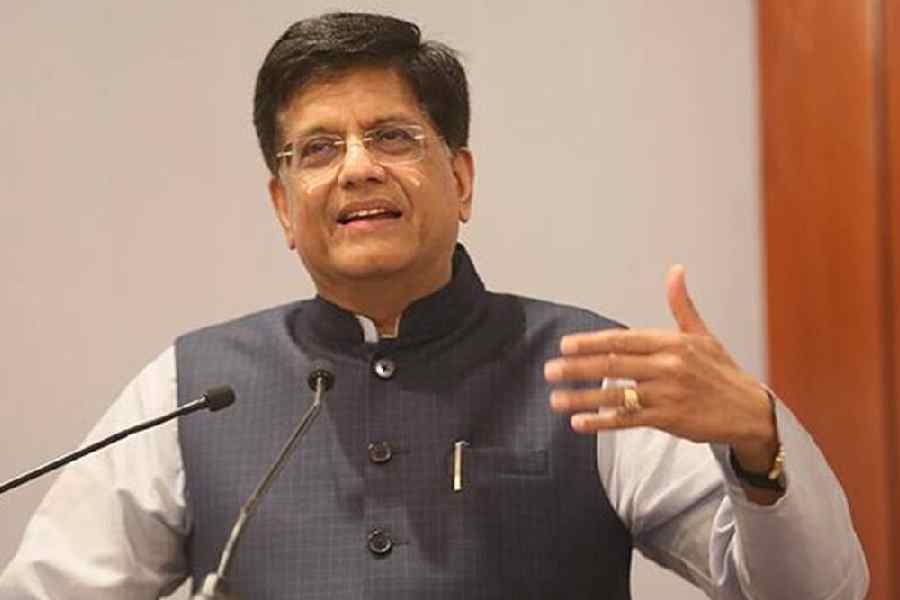
Commerce and Industry Minister Piyush Goyal has firmly dismissed allegations that Indian pharmaceutical companies illegally replicate Swiss drug formulations, asserting that India holds intellectual property rights (IPR) in the highest regard and does not engage in the theft of technology.
Speaking to reporters on Tuesday, Goyal addressed concerns raised by Swiss pharmaceutical companies, stating that there has been no concrete evidence to back the claims of IP infringement. "Not a single instance was presented to me. This notion has been propagated for years, but it simply isn’t true," he said.
Goyal emphasized that India has a strong track record of respecting international IP norms. “India is a responsible nation that has never stolen technology from others. We take our global commitments seriously,” he added.
The minister also highlighted India’s firm stance against the practice of "evergreening" patents — a strategy where companies make marginal changes to existing drugs to extend patent protection and delay the entry of generics. “This tactic restricts access to affordable healthcare, not just in India or Switzerland, but globally,” Goyal said. He argued that such methods are used even after companies have recouped their R&D investments during the original patent term.
India’s patent laws, particularly Section 3(d) of the Patents Act, 1970, are designed to prevent such practices by disallowing patents for minor modifications unless they show significantly enhanced efficacy. Section 3(b) further protects public interest by denying patents to products that do not demonstrate clear improvements over existing solutions.
Despite pressure from certain multinational pharmaceutical firms to dilute these provisions, India has consistently defended its regulatory framework, which prioritizes access to affordable medicines.
Goyal also noted the positive engagement with Swiss pharmaceutical companies during discussions around the India-EFTA trade agreement. “Their suggestions have been constructive and many have been implemented. We’ve built mutual trust, and I believe that in the coming years, Swiss and other EFTA pharma companies will partner with India not just for profit, but to serve humanity,” he said.
He further added that India’s recent reforms in IP administration have improved efficiency, reduced bureaucratic hurdles, and expedited approvals. “No credible complaints of IP violations were brought to us,” he reiterated.
With a domestic market of 1.4 billion people and a growing emphasis on affordability and innovation, India offers immense opportunities for global pharmaceutical firms, Goyal concluded.