
India’s New Healthcare Vision: Experts Pitch ‘Micro-Hospitals’ to Tackle Rising Non-Communicable Diseases
According to World Health Organization data shared at the event, around 63% of deaths in India are now attributable to NCDs, underscoring the urgent need for innovative care models that can manage long-term chronic conditions more effectively.
- By PTI
- New Delhi
- Dec 30, 2025
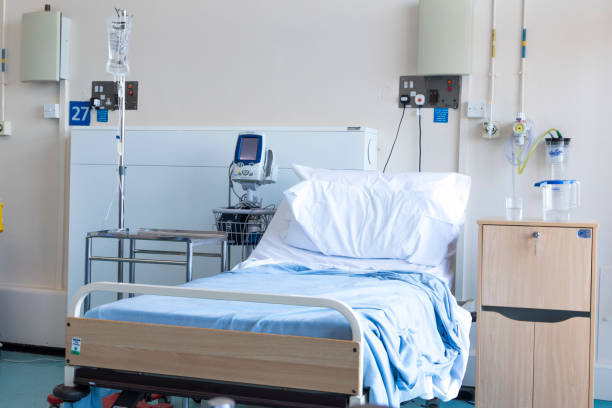
As non-communicable diseases (NCDs) such as diabetes, hypertension, cancer and heart ailments surge across the nation, healthcare experts are urging a strategic shift in India’s healthcare delivery model championing micro-hospitals as a key solution to bridge critical gaps in care.
During the HEAL OneHealth Connect Series, a health forum focused on enhancing wellness and preventive care, leading medical professionals outlined how micro-hospitals compact, specialist-led facilities could dramatically improve patient outcomes by bringing coordinated treatment closer to communities.
According to World Health Organization data shared at the event, around 63% of deaths in India are now attributable to NCDs, underscoring the urgent need for innovative care models that can manage long-term chronic conditions more effectively.
Experts highlighted India’s hospital bed density of just 0.55 beds per 1,000 people, a stark contrast to the WHO’s recommended 3 beds per 1,000 a shortfall that contributes to overcrowded major hospitals, long waiting times and inconsistent patient experiences.
Dr Jagdish Prasad, former Director General Health Services, noted that while India possesses advanced medical technology and skilled doctors, the current system often lacks continuous, coordinated care, especially for chronic illnesses that require sustained follow-up rather than episodic treatment.
Micro-hospitals aim to fill this “middle layer” between basic primary clinics and large tertiary hospitals by offering comprehensive services under one roof, including specialist consultations, diagnostics, and interventions all within closer reach of residential areas. This model, experts say, can reduce the need for patients to shuttle between multiple facilities for care, thereby improving trust and continuity in treatment.
Dr Mohsin Wali, senior consultant at Sir Ganga Ram Hospital, pointed to the psychological benefits of the model, explaining that patients are often overwhelmed by the scale and complexity of large hospitals. In contrast, micro-hospitals prioritise communication, time and personalised care pathways.
Supporters of the micro-hospital concept emphasise that this is not merely a downsized version of existing hospitals, but a fundamentally different approach designed around community needs, early intervention and long-term health outcomes.
As India seeks sustainable ways to manage its growing NCD burden, the proposal for micro-hospitals is gaining traction as a possible blueprint for future healthcare reform.