
India’s Pharma Exports Surge to $30.47 Billion in FY25; Biopharma SHAKTI Initiative Set to Energise Future Growth
India’s pharmaceutical exports grew 9.4 % in FY24–25 to $30.47 billion, with policymakers pushing for regulatory ease, greater MSME support and a ?10,000 crore Biopharma SHAKTI plan to boost global market share.
- By PharmaNews Live Desk
- New Delhi
- Feb 23, 2026
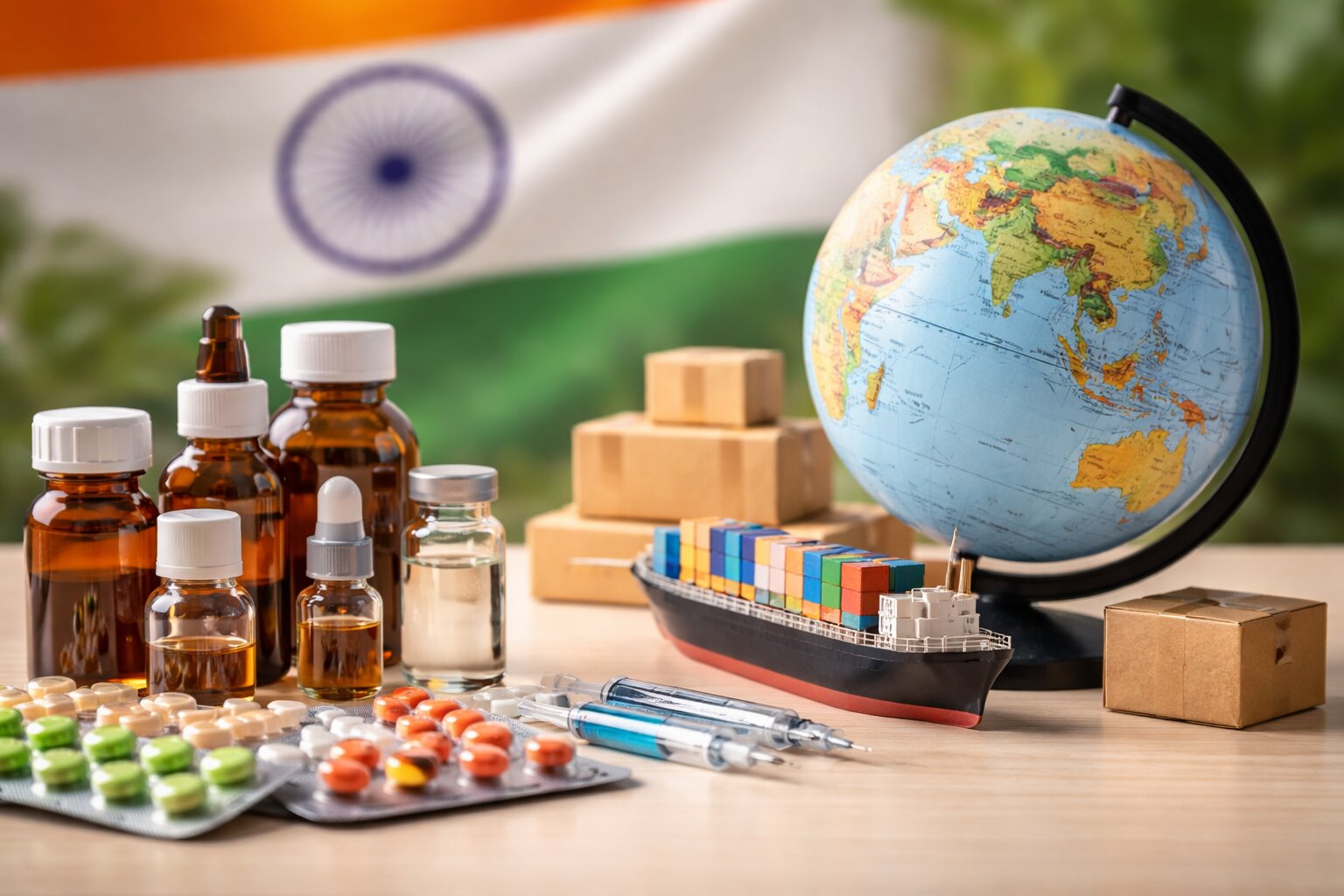
India’s pharmaceutical exports continued to demonstrate resilience in the financial year 2024–25, increasing by 9.4 per cent to $30.47 billion, according to the Ministry of Commerce and Industry. The growth was highlighted during a major industry–government interaction in Ahmedabad under the theme “Scaling up Pharma Exports.”
The session brought together officials from the Department of Commerce, the Directorate General of Foreign Trade (DGFT), the Central Drugs Standard Control Organisation (CDSCO), and the Food and Drugs Control Administration, alongside industry stakeholders.
In his video address, the Commerce Secretary underlined the importance of ongoing dialogue with manufacturers and exporters. He said the government is committed to “strengthening India’s position as a trusted global trade partner” and ensuring that “affordable, high-quality medicines from India continue to reach people across the world.”
Market Positioning and Future Targets
Officials noted that India ranks third globally by volume of medicines produced and exported, supplying pharmaceutical products to more than 200 countries, with over 60 % of these exports going to highly regulated markets. The United States accounts for 34 % of exports, while Europe contributes 19 %.
Industry representatives at the event flagged their readiness to push for double-digit export growth by 2026–27, positioning India to consolidate its share in global pharmaceutical value chains.
Pushing Biologics and MSME Participation
A key focus of the interaction was easing regulatory processes and addressing compliance challenges faced by Micro, Small and Medium Enterprises (MSMEs), which often encounter hurdles related to documentation and inspections.
Participants also discussed priorities from the recently presented Union Budget 2026–27, which places special emphasis on biopharma and biologics as central pillars for India’s healthcare manufacturing landscape.
Biopharma SHAKTI: A Strategic Push
One of the standout announcements was the proposed Biopharma SHAKTI initiative, backed with an estimated ₹10,000 crore over five years. The government says the plan aims to:
- Strengthen India’s ecosystem for biologics and biosimilars
- Reduce dependence on imports
- Improve competitiveness in global supply chains
- Help India capture 5 % of the global biopharmaceutical market
These steps are expected to support a shift from traditional volume-driven exports toward high-value pharmaceutical segments and enhance India’s position in cutting-edge products.
Broader Policy and Sector Support
Industry sessions also underscored the need for:
- More accredited clinical trial sites
- Expansion and upgrading of pharmaceutical education institutions like NIPERs
- Strengthening regulatory infrastructure with specialised scientific personnel
These measures are aimed at aligning domestic standards with international expectations and accelerating approvals, particularly beneficial for smaller exporters navigating stringent global requirements.
Looking Ahead
With the sector valued at around $60 billion and projected to reach $130 billion by 2030, government and industry leaders are charting a growth path that leverages India’s manufacturing strengths and global demand.
As one industry representative noted, the emphasis on biologics, biosimilars and innovation marks a new chapter for the Indian pharmaceutical export story — one that goes beyond generic drugs to high-value, research-intensive products.