
India's Pharma Powerhouse Saves U.S. $219 Billion in 2022, Strengthening Global Health Partnerships
India's healthcare system has seen reforms, particularly through the introduction of the National Medical Commission Act, which replaced older regulations and led to the expansion of medical and nursing institutions. These changes are helping to increase the number of healthcare professionals, addressing domestic needs and aiming for a broader international impact.
- By Newsdesk
- New Delhi
- Oct 20, 2024
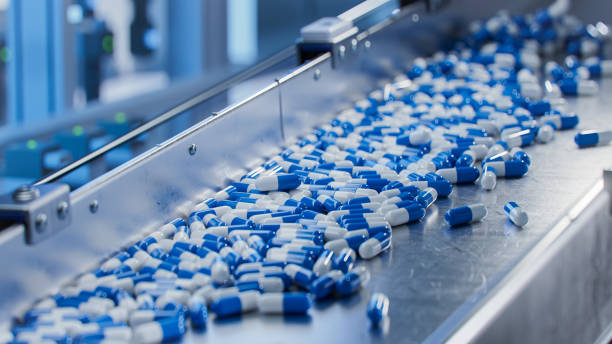
At the India Leader Summit 2024, Union Health Secretary Punya Salila Srivastava announced that India's pharmaceutical sector significantly impacted U.S. healthcare by contributing $219 billion in savings during 2022. She credited India’s robust pharmaceutical production, which ranks third globally and serves as a vital source of generic medications, for driving these cost reductions.
Srivastava emphasized India's unique position, with the country hosting the largest number of U.S. FDA-approved pharmaceutical facilities outside the United States—constituting 25% of all such plants worldwide. Indian-manufactured medicines have not only reduced U.S. healthcare expenses for a single year but have also delivered cumulative savings of $1.3 trillion from 2013 to 2022.
Speaking at the U.S.-India Strategic Partnership Forum, Srivastava highlighted that India’s pharmaceutical prowess extends beyond medicine to vaccine production, with the country responsible for nearly half of the global vaccine supply. Of the 8 billion doses produced worldwide in 2022, India accounted for 4 billion, bolstering its reputation as the "pharmacy of the world."
India's healthcare system has seen reforms, particularly through the introduction of the National Medical Commission Act, which replaced older regulations and led to the expansion of medical and nursing institutions. These changes are helping to increase the number of healthcare professionals, addressing domestic needs and aiming for a broader international impact.
The health secretary also noted a significant reduction in out-of-pocket health expenses in India, which dropped by 25 percentage points as a share of total health expenditure from 2013-14 to 2021-22. She highlighted the ongoing collaboration between India and the U.S. in key areas, such as pandemic preparedness, disease monitoring, and combating antimicrobial resistance.
Programs like the Field Epidemiology Training Program (FETP), in collaboration with the U.S. Centers for Disease Control and Prevention (CDC), have trained over 200 Epidemic Intelligence Service (EIS) officers, with additional trainees currently in the pipeline. Srivastava also mentioned the recently established Bio-5 alliance, a strategic partnership between the two nations aimed at optimizing the biopharmaceutical supply chain.
Moreover, she noted advancements in cancer research stemming from the launch of the U.S.-India Cancer Moonshot Dialogue, which focuses on biomedical collaboration, especially for cervical cancer research. Partnerships with Indian institutions such as AIIMS and Tata Memorial Hospital have supported this effort, which has now expanded into the Quad Cancer Moonshot Initiative. As part of these initiatives, $7.5 million has been earmarked for cancer diagnostic efforts in the Indo-Pacific region, and India is supplying 40 million vaccine doses to assist cancer prevention under the GAVI and Quad programs.
In closing, Srivastava expressed optimism about the future of U.S.-India health relations, underscoring joint endeavors in research, technology transfer, and capacity building, all aimed at enhancing global health security through innovative public-private partnerships and collaborative vaccine programs.