
India’s Pharmaceutical Industry Reaches New Heights with Generics Driving Growth
Valued at $50 billion, the Indian pharmaceutical sector stands as a global leader in the production and export of medicines, serving over 200 countries.
- By Newsdesk
- New Delhi
- Nov 26, 2024
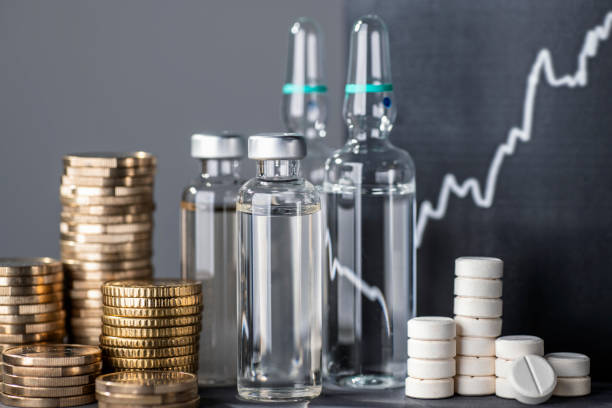
In the financial year 2023-24, India’s pharmaceutical industry achieved a turnover of ₹4,17,345 crore, reflecting a 10% growth over the previous year. Valued at $50 billion, the Indian pharmaceutical sector stands as a global leader in the production and export of medicines, serving over 200 countries. Notably, India fulfills more than 50% of Africa's demand for generic drugs, 40% of the United States' generic needs, and 25% of the UK's medicinal requirements, earning its reputation as the "Pharmacy of the World."
A major contributor to this success is India’s dominance in the production of generic drugs—affordable alternatives to branded medicines that maintain the same efficacy and quality. These generics, widely used globally, become available after the original patent on a branded drug expires. Offering a cost-effective option, generics account for 70-80% of India’s retail pharmaceutical market, catering to a growing population, especially the elderly, who require affordable treatment options.
The Rise of Generics in India
In 2022, the Indian generic drugs market was valued at $24.53 billion and is projected to grow at a compound annual growth rate (CAGR) of 6.97%. Initiatives like the government’s "Jan Aushadhi" program have further boosted access to generics. Through these Jan Aushadhi stores, unbranded quality medicines are sold at affordable prices, ensuring healthcare access for the economically disadvantaged. Despite the success, challenges persist, with just 3,200 Jan Aushadhi outlets operating across the country compared to over 8 lakh retail pharmacies, leaving many rural areas underserved.
Challenges in Quality and Regulation
While generic drugs are 30-80% cheaper than their branded counterparts, questions about their quality often arise. Critics argue that variations in bioavailability—the extent and rate at which the active ingredient enters the bloodstream—might lead to less effective treatment. Regulatory gaps, insufficient quality testing facilities, and counterfeit drugs have further fueled skepticism. In 2018, the Central Drug Standard Control Organization (CDSCO) identified 4.5% of generic drugs in the domestic market as substandard.
To address these concerns, stricter regulations for generic drug manufacturing and testing are essential. Enhanced quality control measures, combined with increased funding and resources for drug monitoring, could bolster confidence in generic medications among healthcare providers and patients.
The Road Ahead
India’s pharmaceutical sector continues to innovate, leveraging advancements such as 3D printing technology for drug manufacturing. Initiatives like the Pradhan Mantri Bhartiya Janaushadhi Pariyojana (PMBJP) are raising awareness about generics and making them more accessible nationwide. As patents on branded drugs expire, the production and use of generics are expected to surge, reducing healthcare costs and expanding treatment options.
For sustained growth, the government, pharmaceutical companies, and regulators must collaborate to enhance the quality, affordability, and accessibility of generic medicines. With such efforts, India’s pharmaceutical industry is poised to further strengthen its position as a global leader, delivering affordable healthcare solutions to millions worldwide.