
Indian health beverage market predicted to triple in 2026
- By Newsdesk
- New Delhi
- Apr 26, 2024
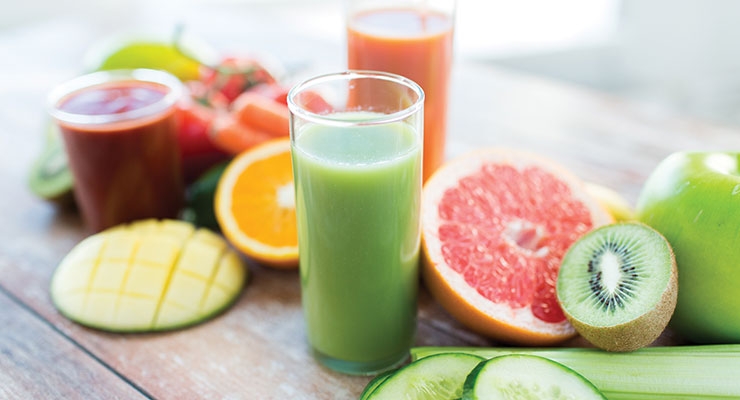
According to a report from Avendus Capital, Indian households are expected to double their expenditure on health-focused foods and beverages over the next five years. This shift is driven by an increasing preference for healthier options and a desire for foods made with better ingredients. Avendus Capital's financial advisory suggests that per capita spending on health foods will see a two-fold increase by 2026, with the segment reaching a market size of $30 billion. The report highlights India's rapid growth in the health food market, expanding at a compound annual growth rate (CAGR) of 20%.
In 2020, health-focused foods and beverages accounted for 11% of India's $88 billion packaged foods and beverages market. This share is projected to rise to 16% or $30 billion by 2026. The number of health-conscious consumers is expected to increase to 176 million in 2026 from 108 million in 2020. Significant growth is anticipated in categories like healthy snacking, with options such as biscuits, fruit snacks, snack bars, and trail mixes leading the expansion, followed by healthy dairy products.
While the trend towards mindful eating has been ongoing for some time, the COVID-19 pandemic has accelerated it. Despite continuing to indulge in salty snacks and fizzy drinks, consumers are increasingly incorporating healthier options into their diets, including less sugar, and ingredients like millets, quinoa, oats, dark chocolate, and berries, as well as healthier cooking oils and practicing portion control.
Post-pandemic, 70% of Indians expressed intentions to focus on improving their overall health through dietary changes. The report also notes a significant increase in new, emerging brands, which has broadened consumer choices and fueled demand. Rising disposable income and the growth of e-commerce are reducing barriers to entry for these brands, further driving demand.
The expansion of the health food market in India will be propelled by various factors, including increasing consumer awareness, rising disposable incomes, and the influence of social media on dietary habits. Avendus Capital predicts consolidation in the market over the next decade, with large food and beverage companies exploring organic and inorganic growth strategies to tap into this lucrative market.
According to Abha Agarwal, executive director and co-head of Avendus Capital's Consumer Financial Institutions Group (FIG) and Business Services, the last decade saw the emergence of many health food brands that attracted private equity and venture capital funding. With these brands reaching sufficient scale and demonstrating brand strength, increased transaction activity and consolidation are expected in the coming years.
Saloni Jain, vice president of Avendus Capital's Consumer FIG and Business Services and chief author of the report, notes that health food brands command higher valuations than traditional players due to the large potential market and increasing consumer preference for healthier options. Avendus expects this trend to extend to smaller towns and cities in India. Currently, 40% of business in the packaged foods and beverages sector comes from large metros, with the rest coming from other parts of the country.
Jain also observes that the current target demographic for health food products is aged between 20 to 35, but this trend is gradually spreading to other age groups and demographics. Meanwhile, India's top food regulator has been advocating for increased transparency in food labeling, aligning with the growing consumer demand for healthier options.