
Indian Scientists Pioneer Nano-Cup Innovation to Combat Cancer with Heat
This breakthrough could revolutionize photothermal therapy (PTT), a promising non-invasive treatment that uses laser-induced heat to target and kill cancer cells, making it more accessible and efficient.
- By TNN
- Bengaluru
- Jun 18, 2025
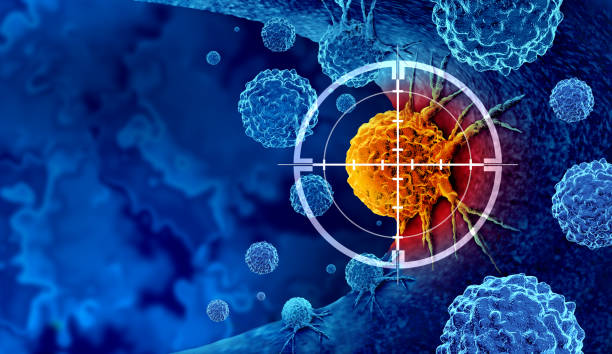
In a major leap for cancer treatment research, Indian scientists have developed an innovative one-step process to create nano-cups—tiny bowl-shaped particles that can destroy cancer cells using heat. This breakthrough could revolutionize photothermal therapy (PTT), a promising non-invasive treatment that uses laser-induced heat to target and kill cancer cells, making it more accessible and efficient.
The research, led by scientists from the Institute of Nano Science and Technology (INST) in Mohali, the Advanced Centre for Treatment Research & Education in Cancer (ACTREC) at Tata Memorial Centre, and IIT-Bombay, has resulted in the fabrication of PEGylated semishells—nano-structures with a unique cup-like shape. These are partially coated with polyethylene glycol (PEG), a compound that enhances their compatibility with biological systems and improves stability in the bloodstream.
Traditionally, producing such nano-cups has required complex, multi-step procedures and the use of harsh chemicals like hydrofluoric acid. However, the new method—published in Communications Chemistry, a journal from the Nature portfolio—avoids these challenges. Instead, it uses ZIF-8, a metal-organic framework, as a sacrificial template under mild, biocompatible conditions, making the process safer and more environmentally friendly.
One of the key features of these nano-cups is their ability to absorb and scatter near-infrared light—a range of the electromagnetic spectrum ideal for photothermal therapy. When exposed to laser light, the nano-cups generate heat, selectively destroying cancer cells without harming surrounding healthy tissue.
The PEG coating not only improves their biocompatibility and shelf life but also ensures the particles remain stable in water and blood, making them suitable for intravenous use. In laboratory studies, these PEGylated semishells demonstrated excellent photothermal conversion efficiency and showed no signs of toxicity.
In preclinical trials involving mice with metastatic breast cancer, the nano-cup treatment significantly shrank tumours, improved survival rates, and reduced the risk of relapse. The success of these experiments marks a major milestone in the development of next-generation cancer therapies.
Beyond oncology, scientists believe the nano-cups’ distinctive optical properties could open doors to other applications, including advanced biosensing techniques like surface-enhanced Raman spectroscopy (SERS). Future research may also explore combining photothermal therapy with chemotherapy for a more comprehensive approach to cancer treatment.
This innovation signals a new chapter in cancer research, offering hope for safer, more effective therapies powered by cutting-edge nanotechnology developed on Indian soil.