
Middle East Conflict Disrupts Pharma Air Routes, Threatens Cancer Drug Supply
The Middle East is a significant market for global drugmakers, and any prolonged instability could have cascading effects not only delaying supplies but also increasing costs and straining healthcare systems dependent on imported medicines.
- By Newsdesk
- New Delhi
- Mar 18, 2026
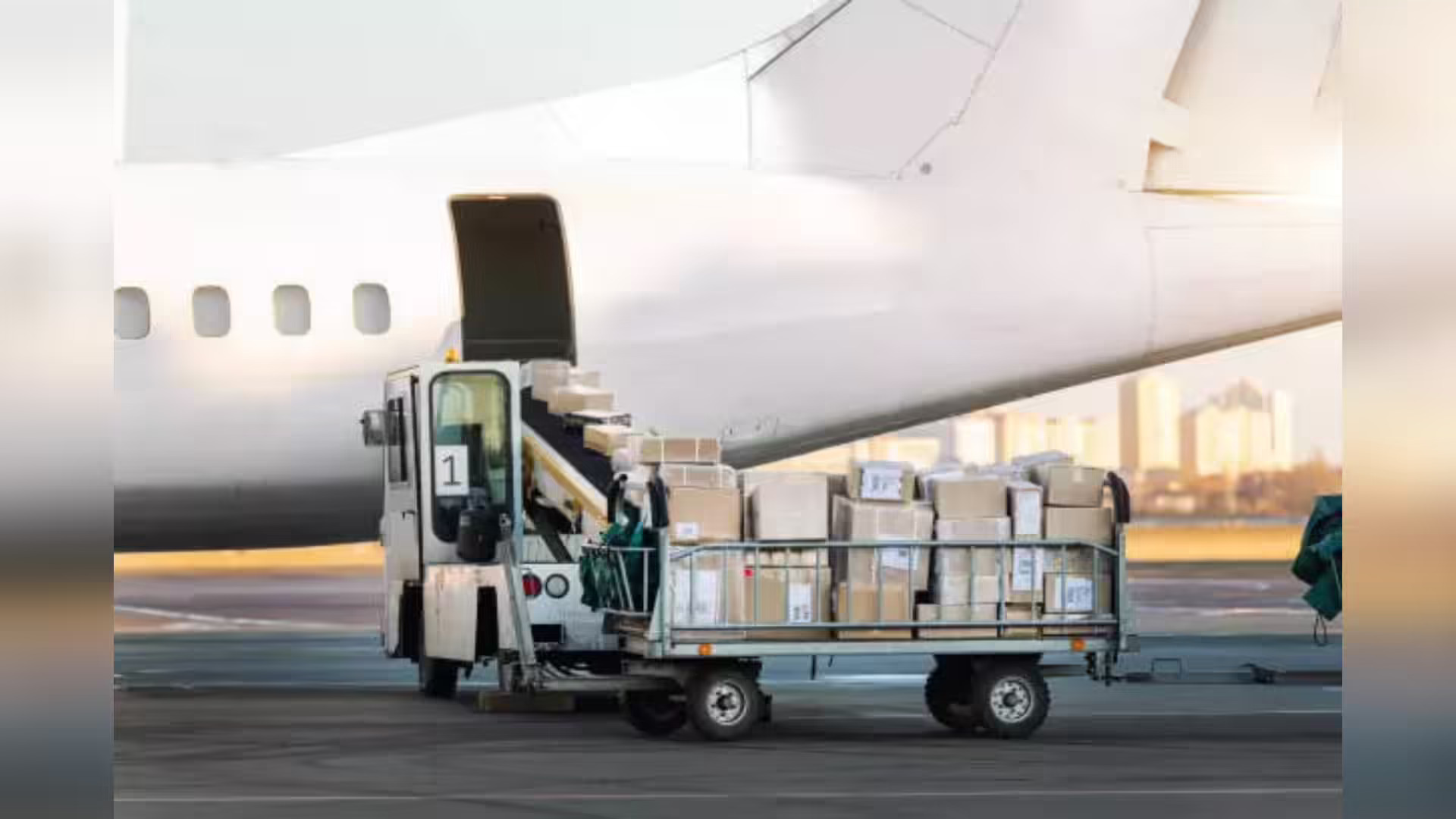
The escalating conflict in the Middle East is beginning to ripple through global pharmaceutical supply chains, raising serious concerns over the availability of life-saving medicines, particularly cancer treatments.
Industry experts warn that critical air cargo routes widely used for transporting high-value, temperature-sensitive drugs have been severely disrupted as airspace closures and security risks intensify across key transit hubs in the region.
Pharmaceutical companies rely heavily on Middle Eastern corridors as strategic transit points connecting manufacturing hubs in Asia, including India, with markets in Europe, the United States, and the Gulf. However, with flights grounded, rerouted, or delayed, the timely delivery of essential medicines is now under threat.
Cancer drugs, in particular, are among the most vulnerable. These therapies often require strict cold-chain logistics and rapid transport, leaving little room for delays. Executives in the sector have indicated that companies are scrambling to identify alternative routes, including longer and more expensive flight paths or even land transport options, to ensure continuity of supply.
The disruption comes amid a broader breakdown in global logistics triggered by the conflict, including halted maritime trade through critical chokepoints and rising freight costs. Air cargo capacity has tightened as airlines suspend operations over conflict zones, compounding delays for time-sensitive shipments such as pharmaceuticals.
The Middle East is a significant market for global drugmakers, and any prolonged instability could have cascading effects not only delaying supplies but also increasing costs and straining healthcare systems dependent on imported medicines.
Experts caution that while companies are attempting to adapt, a prolonged disruption could lead to shortages of critical treatments, particularly in regions heavily reliant on imports. The situation underscores the fragility of global pharmaceutical supply chains in the face of geopolitical crises.