
Pharma Giants Urge Trump to Exclude EU Medicines from Tariff Disputes to Protect Patients
Drugs like Novo Nordisk’s Wegovy, a popular weight-loss treatment, and Merck’s blockbuster cancer therapy, Keytruda, are among the EU-manufactured medications that could face price hikes. According to multiple pharmaceutical executives, subjecting these products to tariffs would undermine recent U.S. efforts to reduce drug prices and extend life expectancy.
- By Newsdesk
- New Delhi
- Mar 19, 2025
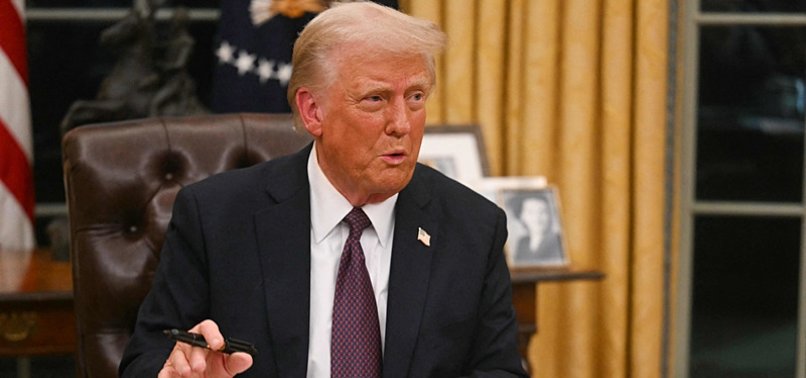
Major pharmaceutical companies are calling on the Trump administration to exempt medical products from impending tariffs on European Union (EU) imports. Industry leaders warn that imposing such duties could lead to increased drug prices, making essential medicines less accessible to American patients.
Drugs like Novo Nordisk’s Wegovy, a popular weight-loss treatment, and Merck’s blockbuster cancer therapy, Keytruda, are among the EU-manufactured medications that could face price hikes. According to multiple pharmaceutical executives, subjecting these products to tariffs would undermine recent U.S. efforts to reduce drug prices and extend life expectancy.
Pharma's Plea for Patient Protection
Industry insiders report that drugmakers are actively engaging with both U.S. officials and EU representatives, emphasizing the critical need to shield medical products from trade conflicts. Executives argue that higher tariffs would create unnecessary cost burdens on healthcare systems and limit access to life-saving medications.
"We are firmly delivering the message that patients will ultimately pay the price for tariffs," said a senior executive from a leading European pharmaceutical company.
Recognizing the potential fallout, some companies are contemplating expanding their manufacturing presence in the United States. However, executives are simultaneously requesting tax incentives and regulatory reforms to ease the financial and logistical challenges associated with domestic production.
Avoiding a Global Health Crisis
Pharma leaders are also urging the EU to refrain from retaliatory tariffs on U.S. products. Citing the decision to exempt medical goods from sanctions on Russia following its invasion of Ukraine, they argue that excluding essential medicines from trade wars is a globally accepted standard.
"Our supply chains are deeply interconnected," stated another industry executive. "Restricting the flow of medicines will only compromise patient care. It's a lose-lose scenario."
Potential Economic Impact
Historically, pharmaceuticals have been largely exempt from trade disputes to protect public health. However, the Trump administration’s recent moves to expand tariffs on Chinese products, including pharmaceutical components, have heightened concerns. Given that many advanced therapies are manufactured in Europe, imposing tariffs could cost the U.S. healthcare system billions.
For instance, Novo Nordisk manufactures active ingredients for Wegovy in Denmark, while Merck and AbbVie produce Keytruda and Botox, respectively, in Ireland. Although Novo Nordisk is investing $4.1 billion to expand its manufacturing footprint in North Carolina, executives acknowledge the short-term impact of tariffs.
"We are taking steps to increase local production," Novo CEO Lars Fruergaard Jorgensen remarked, "but these transitions take time."
The Cost of Change
While some pharmaceutical companies are making efforts to reduce reliance on international manufacturing, executives warn that building new production facilities in the U.S. could take years and cost up to $2 billion per plant. The industry contends that diverting funds from research and development to construct manufacturing plants would compromise innovation.
"Creating a U.S.-only supply chain would amount to fixing something that isn’t broken," said a senior executive from a major European drugmaker. "It’s a costly and unnecessary move that detracts from the mission of developing future treatments."
Looking Ahead
While the Trump administration has yet to provide a clear response to the industry's concerns, pharmaceutical companies remain hopeful that the importance of uninterrupted access to essential medicines will prevail. The global pharmaceutical sector continues to push for collaborative solutions that prioritize patient care over trade politics.
As negotiations unfold, the industry’s message remains firm — maintaining the flow of life-saving medicines should remain above the fray of international trade disputes.
(With inputs from Reuters)