
PM Modi Calls for R&D and Patent Innovation to Power India’s Pharma Leadership
A Department of Pharmaceuticals report shows Indian researchers account for just 2% of global pharmaceutical research output—well behind the US and China at around 20% each.
- By Newsdesk
- New Delhi
- Aug 15, 2025
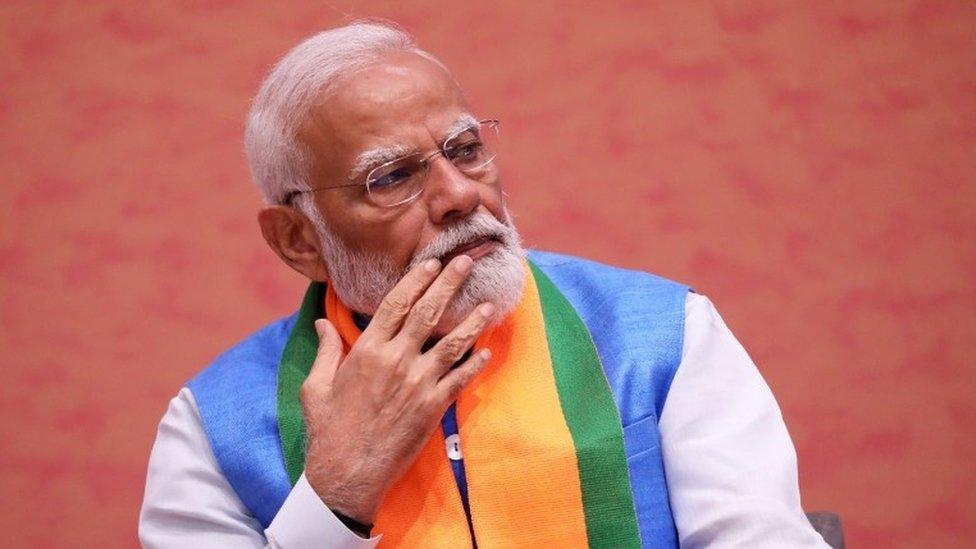
On India’s 79th Independence Day, Prime Minister Narendra Modi urged scientists and industry leaders to intensify efforts in research, development, and patenting of pharmaceutical innovations. Speaking from the Red Fort, he stressed that advancing these areas will not only secure the nation’s healthcare independence but also elevate India’s status as a global hub for medical breakthroughs.
Modi’s remarks come amid concerns over India’s relatively low R&D investment. A Department of Pharmaceuticals report shows Indian researchers account for just 2% of global pharmaceutical research output—well behind the US and China at around 20% each. Currently, the public sector bears 75–80% of India’s pharma R&D costs, with the private sector contributing 20–25% and universities just 3%. In contrast, OECD nations see the private sector leading with 69%, universities at 18%, and governments at around 10%.
Industry leaders, including Biocon’s Executive Chairperson Kiran Mazumdar-Shaw, have called for bold regulatory reforms to reduce the time and risk of bringing new molecules from lab to market, making India a more attractive destination for pharmaceutical innovation.
India’s pharmaceutical ecosystem is already vast, with 3,000 companies operating over 10,500 manufacturing units and producing 60,000 generic brands across 60 therapeutic categories. Recent patent expiries—such as empagliflozin and dapagliflozin—have slashed drug prices by up to 85%. Looking ahead, top domestic firms including Sun Pharma, Torrent, Lupin, Glenmark, and Dr. Reddy’s are preparing to launch generic versions of semaglutide-based weight-loss drugs expected to lose exclusivity by March 2026.
The Department of Pharmaceuticals projects a “patent cliff” from 2022 to 2032, with over 300 drug patents set to expire annually. This wave of expiries presents a golden opportunity for Indian companies to expand their global footprint with cost-effective alternatives in regulated markets.