
Latest News
- Ten Medical Experts, One Message: How Namita Thapar Is Using Digital Storytelling to Spark Conversations Around Integrative Healthcare
- PharmEasy Takes Diabetes Awareness to the Streets with ‘Test Your Sugar. Early. Yearly. PharmEasily.’ Campaign
- Weight-loss injections are not PMOS cure; experts caution against self-medication
Ten Medical Experts, One Message: How Namita Thapar Is Using Digital Storytelling to Spark Conversations Around Integrative Healthcare
A collaborative digital campaign brings together specialists across ten medical disciplines to explore how conventional medicine and complementary wellness practices can coexist, using expert-led conversations to build awareness and encourage informed healthcare choices.
- By Newsdesk
- New Delhi
- Nov 20, 2026
In an era where healthcare communication is increasingly driven by digital content, expert credibility and meaningful conversations, bringing together diverse medical voices around a common message can offer a powerful storytelling opportunity.
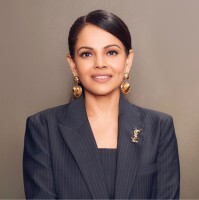
Entrepreneur Namita Thapar has brought together ten leading healthcare experts for a digital initiative that explores the growing relevance of integrative healthcare. Rather than positioning conventional medicine and traditional wellness practices as competing approaches, the campaign seeks to encourage conversations around how both can coexist to support patient well-being.
What distinguishes the initiative is its multidisciplinary approach. Featuring Dr. Tarang Gianchandani, Dr. Vaibhav Bagaria, Dr. Sewanti Limaye, Dr. Rahul Verma, Dr. Mukesh Thakur, Dr. Firuza Parikh, Dr. David Chandy, Dr. Asha Dalal, Dr. Arun Shah and Dr. Amit Maydeo, the campaign brings together expertise spanning oncology, orthopaedics, paediatrics, reproductive medicine, endocrinology, neurology, gastroenterology and other specialities.
Each expert brings a distinct clinical perspective to the broader conversation, helping communicate the concept of integrative healthcare through familiar health concerns and everyday experiences.
The discussions explore practices such as Ayurveda, yoga, pranayama, acupuncture, acupressure, music therapy and art therapy, examining their potential supportive roles alongside established medical treatments.
One conversation, featuring reproductive health specialist Dr. Firuza Parikh, examines how lifestyle choices, environmental exposures, stress, inadequate rest and traditional wellness practices intersect with reproductive well-being. Similar conversations across medical disciplines allow the initiative to connect a broader healthcare philosophy with specific patient needs.
From a communications perspective, the campaign adopts an expert-led storytelling format instead of relying on conventional promotional messaging. By bringing credible medical voices into accessible digital conversations, it seeks to simplify complex health topics, encourage informed dialogue and build trust with audiences.
The participation of specialists across multiple disciplines also creates opportunities to engage audiences with different health interests, while reinforcing a consistent overarching message.
Speaking about the initiative, Thapar described the future of healthcare as one where modern medicine and alternative healing work together, with patient well-being at the centre of care.
Importantly, the campaign also opens space for discussions around scientific evidence, patient safety and the appropriate use of complementary practices without suggesting that they replace conventional treatment.
As healthcare brands and communicators explore more authentic ways to engage audiences, the initiative illustrates how collaboration, credible expert voices and educational storytelling can be brought together around a shared purpose.
Beyond promoting a healthcare philosophy, it demonstrates the potential of digital platforms to turn complex medical conversations into accessible, patient-focused content.