
Trump Pushes for Global Pharma R&D Cost-Shifting to Lower Drug Prices in U.S.
If companies fail to make significant progress within six months, the administration will take further action, including the potential use of rule-making to bring U.S. drug prices in line with global levels.
- By Newsdesk
- New Delhi
- May 12, 2025
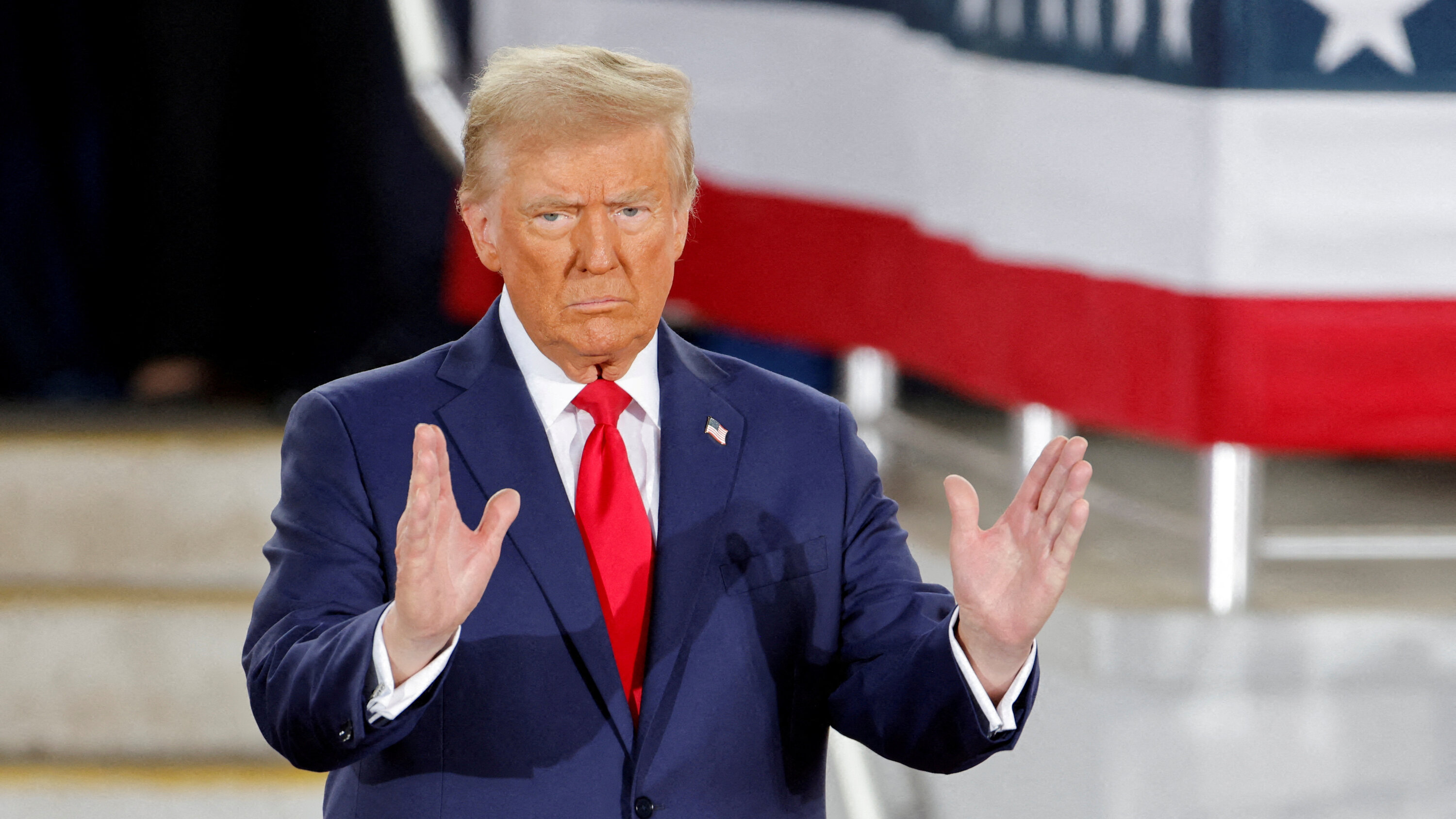
In a move aimed at reducing the skyrocketing cost of prescription drugs in the United States, President Donald Trump unveiled plans on May 12 to sign an executive order that would align U.S. drug prices with those paid by other high-income countries. The new initiative, designed to lower prescription prices, mandates that U.S. pharmaceutical companies meet specific price targets within the next 30 days.
If companies fail to make significant progress within six months, the administration will take further action, including the potential use of rule-making to bring U.S. drug prices in line with global levels.
Trump's proposal seeks to address the stark price disparity between the U.S. and other developed nations, where drug prices are often a fraction of what Americans pay. Central to the plan is a shift in the financial burden of pharmaceutical research and development (R&D), aiming to distribute a larger share of R&D costs to countries that currently pay less for medications.
However, the order faces potential legal challenges, particularly due to the absence of congressional backing. Past attempts to curb drug prices through similar measures have been blocked by the courts, leaving the future of this new proposal uncertain.
If drug manufacturers fail to meet the government’s expectations, the administration is prepared to explore alternative strategies, including importing cheaper medications from abroad and imposing export restrictions. The order also directs the Federal Trade Commission to intensify its efforts to address anti-competitive practices within the pharmaceutical industry.
Pharmaceutical stocks reacted positively to the announcement, with shares of major companies like Pfizer, Amgen, and Merck & Co. rising more than 3%. Investors are optimistic that the potential for up to a 59% reduction in drug prices could lead to significant cost savings for U.S. consumers.