
Trump’s Tariff Threats Trigger Pharmaceutical Manufacturing Shift Back to the U.S.
The shift, originally driven by pandemic-era disruptions and natural disaster risks, has now gained fresh momentum as political pressures intensify.
- By Newsdesk
- New Delhi
- Apr 08, 2025
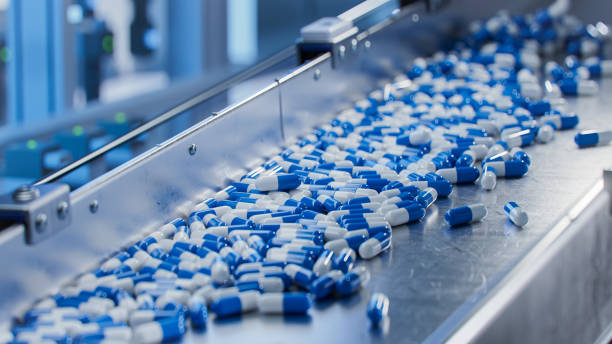
Amid escalating trade tensions and tariff threats from former U.S. President Donald Trump, global pharmaceutical companies are rapidly rethinking their supply chain strategies—prompting a growing shift in drug manufacturing back to American soil. The shift, originally driven by pandemic-era disruptions and natural disaster risks, has now gained fresh momentum as political pressures intensify.
According to Bloomberg, U.S.-based pharmaceutical contractors such as Lonza Group, Thermo Fisher Scientific, and Catalent are seeing a surge in demand. These firms provide critical support to global pharma giants by managing various stages of the drug development and production process. With Trump signaling the return of steep tariffs in a potential second term, pharmaceutical companies are engaging more aggressively with these American contractors to mitigate risk and localize operations.
Trump’s Push for Onshore Manufacturing
During a recent meeting with top executives from Pfizer and Eli Lilly & Co., Trump issued a blunt warning: bring manufacturing back to the U.S., or face the financial consequences. In the wake of this directive, Eli Lilly pledged a staggering $27 billion investment to bolster its U.S.-based production capabilities.
Although the latest round of tariffs has not yet directly targeted the pharmaceutical industry, the sector is preparing for impact. Gil Roth, President of the Pharma & Biopharma Outsourcing Association, confirmed to Bloomberg that pharmaceutical companies are fast-tracking discussions with domestic partners to move portions of their supply chain operations to the U.S.
Strategic Shifts Already Underway
Even before renewed tariff threats, pharmaceutical firms were gradually relocating parts of their operations to the United States, prompted by growing concerns over global supply chain vulnerabilities—especially after the COVID-19 pandemic exposed deep-seated weaknesses.
In addition, legislation like the Biosecure Act has further highlighted the geopolitical risks of relying heavily on Chinese companies, effectively sidelining certain Chinese players from participating in critical drug development work.
However, full localization remains a challenge. A significant portion of active pharmaceutical ingredients (APIs)—the core components of most medicines—still comes from overseas suppliers, particularly in China and India. Experts caution that complete self-sufficiency is unlikely in the short term due to these entrenched dependencies.
Europe Sounds the Alarm
The ripple effects of the U.S.’s shifting trade policies are being felt across the Atlantic as well. European pharmaceutical leaders have raised concerns with European Commission President Ursula von der Leyen, warning that the U.S. could become a more attractive hub for pharmaceutical investment unless swift action is taken.
Industry groups like the European Federation of Pharmaceutical Industries and Associations (EFPIA) and biotech lobby Europabio have called for sweeping reforms in the EU’s regulatory framework. In a high-level meeting with CEOs of leading European pharma companies, stakeholders emphasized the need to strengthen intellectual property protections and foster innovation to prevent the outflow of investment and research talent.
A New Global Landscape for Pharma
As the geopolitical climate grows increasingly uncertain, the pharmaceutical industry finds itself at a crossroads. While parts of the global supply chain will likely remain abroad, the trend toward re-shoring critical production to the U.S. appears to be accelerating—driven not just by business efficiency, but by political necessity.
The ultimate outcome may redefine the global pharmaceutical map, with nations competing not only on innovation and cost but on strategic autonomy and supply chain security.