
Weight-Loss Drugs May Reduce Nutrient Intake: Experts Warn on What Users Should Do Next
- By Newsdesk
- New Delhi
- Jan 12, 2026
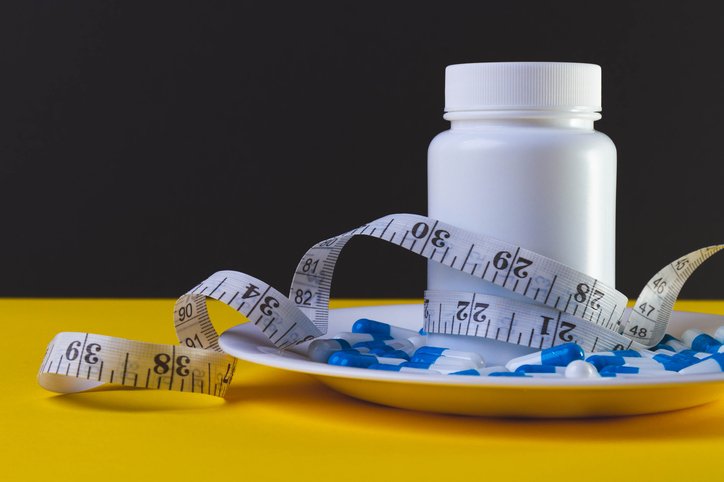
Popular prescription weight-loss medications such as Ozempic, Wegovy and Mounjaro are transforming how people manage appetite and lose weight, but doctors and nutrition researchers are now raising alarms about an unintended consequence: nutrient deficiencies.
These drugs belong to a class called GLP-1 receptor agonists. They mimic a natural hormone that slows gastric emptying and signals the brain to curb appetite, helping many users eat significantly fewer calories. Studies indicate that energy intake may drop by 16% to 40% in people taking these medications.
However, the downside of eating less is that the body may also receive fewer essential vitamins, minerals and protein — nutrients crucial for overall health, immunity and muscle maintenance. With reduced portion sizes, there’s simply less “nutritional margin” to cover daily requirements.
Growing Picture of Deficiencies
Emerging research suggests that nutrient shortfalls are not rare among users:
- In a large observational study, about 13% of GLP-1 users developed a deficiency within six months, with that figure rising to over 22% within a year. These included deficits in iron, protein and essential vitamins.
- Smaller dietary surveys have found that many GLP-1 users consume below-recommended amounts of fibre, calcium, iron, magnesium, potassium and vitamins A, C, D and E - a pattern that could accelerate fatigue, anaemia and bone loss over time.
Experts say these deficiencies can be hard to detect early because common symptoms like tiredness, hair loss or weakness are often vague and easily dismissed.
In rare but serious cases, very low food intake alongside GLP-1 use has even been linked to medical emergencies, such as severe dehydration or neurological conditions associated with vitamin B1 deficiency.
Advice for Users: Quality Over Quantity
Healthcare professionals emphasise that while these medications are effective for weight loss, users must also focus on what they eat, not just how much. Key recommendations include:
- Prioritising nutrient-dense foods: Lean proteins, legumes, whole grains, nuts, seeds and colourful fruits and vegetables can deliver more vitamins and minerals per calorie.
- Ensuring adequate protein: Protein is essential to preserve muscle mass, especially as weight loss often includes an unwanted loss of lean body tissue.
- Incorporating resistance exercise: Strength training helps maintain muscular strength and metabolic health, particularly important when calories are restricted.
Some food manufacturers have responded with nutrient-dense meal products tailored to people on appetite-suppressing therapies, but nutritionists stress there’s nothing inherently superior about these options compared to balanced home-made meals.
A Call for Better Guidance
Despite the growing popularity of GLP-1 drugs, many users do not receive adequate dietary counselling from clinicians or pharmacists. Without professional guidance, meeting nutrient needs while consuming less food can be challenging, experts say.
As long-term safety data on nutritional outcomes remain limited, doctors suggest that anyone using or considering these medications talk with healthcare providers about diet planning and possibly monitoring nutrient levels through blood tests.
(Source: PTI)