
West Bengal Government Bans 10 Intravenous Fluids Following Patient Safety Concerns
This step comes in the wake of the tragic death of 22-year-old pregnant woman Mamoni Ruidas at Midnapore Medical College. Ruidas passed away after being administered intravenous fluid, sparking widespread concern.
- By Newsdesk
- Kolkata
- Jan 13, 2025
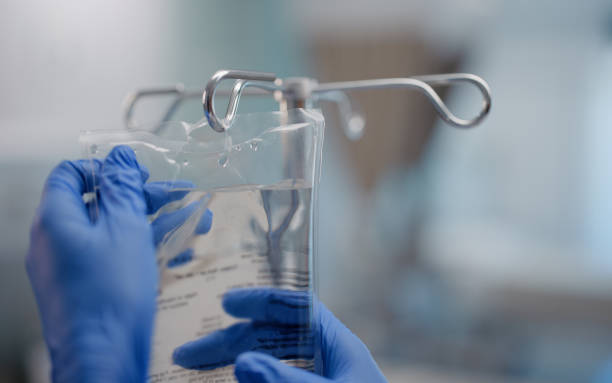
In a decisive move to safeguard patient safety, the West Bengal government has banned the use of 10 intravenous fluids in hospitals across the state. The banned substances include Ringer Lactate, Ringer Solution, dextrose injection, ofloxacin, and sodium chloride irrigation solution, among others.
The order, issued on Saturday by the state health department, was disseminated to all government medical colleges, hospitals, and senior health officials. This step comes in the wake of the tragic death of 22-year-old pregnant woman Mamoni Ruidas at Midnapore Medical College. Ruidas passed away after being administered intravenous fluid, sparking widespread concern.
Four other women, also treated at Midnapore Medical College, are currently in critical condition. Among them, two are on ventilators, and another is in the ICU. The hospital superintendent, Dr. Jayanta Raut, assured that the women are responding positively to treatment.
Early Saturday, a medical board at the hospital visited the ICU and interacted with the patients' families. Meanwhile, a 13-member committee established by the state government is conducting an in-depth investigation into Ruidas's death and the conditions of the other patients. Families of the affected women have alleged that the issue began with the intravenous saline administered.
To ensure order, a heavy police presence has been deployed at the hospital. The investigation, led by OSD (ME) Ashish Biswas, will scrutinize medications, saline solutions, and treatment protocols to determine any negligence. The committee has already visited the hospital, inspected the ICU, and consulted with its principal.
The incident has triggered political unrest, with local Congress leaders entering the maternity ward and demanding Chief Minister Mamata Banerjee’s resignation. Protests also erupted as DYFI supporters demonstrated outside the hospital superintendent's office, resulting in a clash with police. The BJP has joined the protests, further intensifying the situation.
As investigations proceed, the state health department's swift action aims to address safety concerns and restore public confidence in hospital care.