
A British Doctor died from severe reaction to AstraZeneca COVID vaccine
AstraZeneca COVID Vaccine was held responsible for the doctor's death due to rare blood clot syndrome, rules a UK Coroner
- By Pooja Chaturvedi Sah
- New Delhi
- Apr 25, 2023
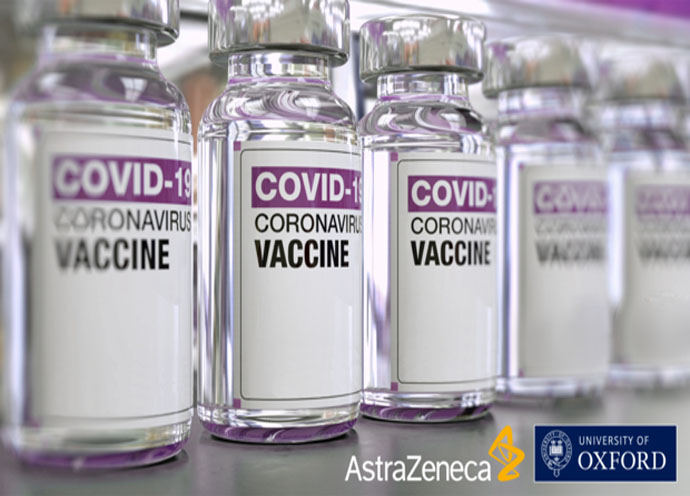
A 32-year-old British psychologist Dr. Stephen Wright died 10 days after he took his first dose of Oxford-AstraZeneca’s COVID vaccine, according to a report released by a London coroner on Wednesday.
The coroner determined that the healthy doctor died from a “rare reaction to AstraZeneca's COVID-19 vaccine” and said that the death was due to "unintended complications of the vaccine”, as per the reports.
Wright, an NHS employee in south-east London, died in January 2021 after he suffered from an amalgamation of a brainstem infarction, bleed on the brain and vaccine-induced thrombosis, as ruled by the inquest. He was in one of the earliest groups of people to be given the jab.
Wright’s widow, Charlotte, is considering legal action against the pharmaceutical company, according to the media reports.
Purportedly, this is not the first case wherein reports of rare blood clots, caused due to AstraZeneca’s COVID vaccine, have dominated the headlines.
In March 2021, 27-year-old Jack Last from Stowmarket, England reportedly died of a blood clot that was a "direct result" of the AstraZeneca Covid jab, as concluded by a local coroner. His scan revealed a cerebral venous sinus thrombosis (CVST).
In another instance, a British radio presenter, Lisa Shaw, died at the age of 44 due to the “complications from the AstraZeneca Covid-19 vaccine”, according to the media reports. Shaw suffered blood clots in the brain which ultimately led to her death in May 2021, as concluded by the Newcastle coroner.
Similar cases of AstraZeneca-linked deaths were reported in Australia and Canada as well. A 59-year-old Queensland woman with confirmed thrombosis with thrombocytopenia syndrome (TTS), and a 54-year-old man from New South Wales with probable TTS, died following their first dose of the AstraZeneca in 2021. There are more such incidents as reported by various media channels documenting the fatal effect of the vaccine.
Consequently, a team of researchers from Cardiff and the US conducted a study to find what triggers the formation of blood clots following the AstraZeneca jabs. The findings that were published in the Science Advances in December 2021, demonstrated how the adenovirus in the vaccine binds with a specific protein (PF4) in the blood, and even attracts them like a magnet. For reasons unclear to the scientists, the body then mistakes these clumps as a threat and produces antibodies to fight them. The combination of the platelets and the antibodies clumping together leads to the formation of dangerous blood clots. This condition is called vaccine-induced immune thrombotic thrombocytopenia (VITT).
In 2021, Britain had curbed the use of AstraZeneca vaccine in adults under 30 citing the risk of rare blood clot events. The UK government has mentioned the potential side effects of AstraZeneca vaccine which include changes in the heartbeat, swelling of lips, face, or throat; shortness of breath or wheezing, stomach pain, nausea, vomiting and feeling faint.
AstraZeneca was not approved for use in the US.