
Centre Rolls Out Stricter Guidelines to Curb High Costs and Misuse of Ventilators in Private Hospitals
Under the newly released framework, private hospitals are required to obtain clear informed consent from patients or their legal representatives before initiating mechanical ventilator support, including a detailed explanation of the clinical necessity, risks, benefits, and potential costs involved. Charges must be disclosed upfront and displayed publicly in areas accessible to patients’ families and on hospital websites.
- By Newsdesk
- New Delhi
- Dec 22, 2025
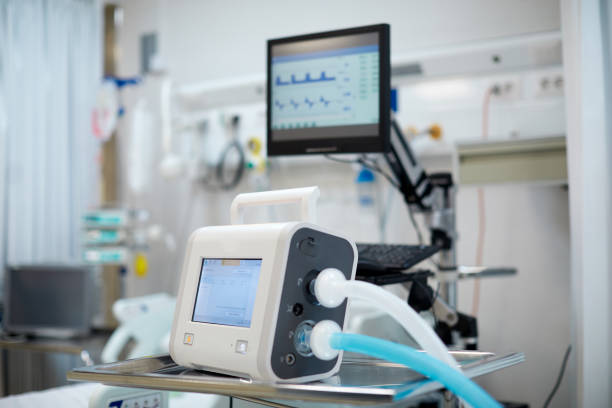
The Central Government has unveiled a comprehensive set of guidelines aimed at regulating the use and billing of high-cost ventilators in private healthcare facilities, marking a significant step toward enhancing transparency and safeguarding patients from potentially exploitative practices.
Under the newly released framework, private hospitals are required to obtain clear informed consent from patients or their legal representatives before initiating mechanical ventilator support, including a detailed explanation of the clinical necessity, risks, benefits, and potential costs involved. Charges must be disclosed upfront and displayed publicly in areas accessible to patients’ families and on hospital websites.
A key feature of the guidelines is usage-based billing: hospitals will only be permitted to charge for a ventilator when it is actively used for patient care, preventing inflated costs for equipment that is idle or not providing continuous support.
To prevent prolonged and unnecessary use of ventilators which can escalate costs and raise the risk of hospital-acquired infections institutions must conduct regular clinical reassessments every 48–72 hours. Cases extending beyond 14 days on ventilator support must be reviewed by a multidisciplinary committee, and internal audits are mandated to ensure adherence to established clinical protocols.
The rules also require hospitals to maintain detailed records of ventilator duration and mode (invasive versus non-invasive), and to implement grievance mechanisms for families to raise concerns about billing or care quality.
Health authorities and medical experts have expressed mixed views on the new norms. Advocates argue the guidelines will bolster ethical decision-making and restore public trust in private healthcare, where high bills for intensive care have previously drawn criticism. Critics, including some physician groups, contend that the measures may lead to administrative burden and could constrain clinical judgment.
The rules were developed by a high-level committee convened by the Directorate General of Health Services and include inputs from leading clinicians and administrators from premier public hospitals.
As India’s private health sector continues to expand, officials say the guidelines are designed to strike a balance between quality critical care and financial fairness, ensuring that life-saving technologies like ventilators are used appropriately without placing undue economic strain on patients and their families.