
Delhi Residents Lean Towards Plant-Based Diets Over Weight-Loss Drugs, Survey Finds
According to a new survey conducted by the Physicians Committee for Responsible Medicine (PCRM), 87% of respondents said they would prefer adopting a plant-based diet to using injectable drugs for weight loss—signaling a growing appetite for natural, lifestyle-driven health solutions.
- By Newsdesk
- New Delhi
- Aug 06, 2025
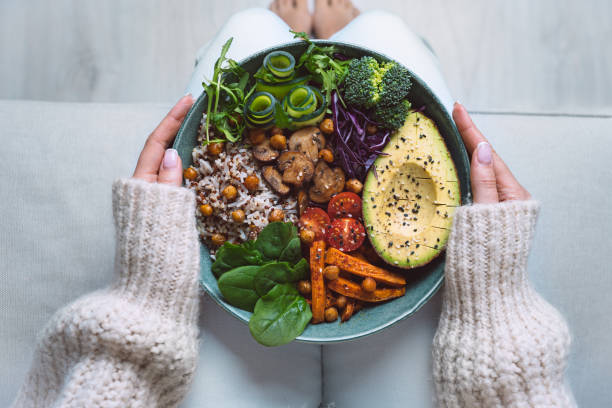
A significant majority of adults in Delhi are choosing food over pharmaceuticals when it comes to managing their weight. According to a new survey conducted by the Physicians Committee for Responsible Medicine (PCRM), 87% of respondents said they would prefer adopting a plant-based diet to using injectable drugs for weight loss—signaling a growing appetite for natural, lifestyle-driven health solutions.
The findings arrive at a time when concerns around early-onset obesity, hypertension, and dyslipidemia are on the rise, especially among the city’s younger population. The survey sheds light on both the public’s attitudes toward weight management and the challenges they face in maintaining a healthy lifestyle.
While 87% of respondents reported having tried to lose weight at some point, only 33% managed to sustain their progress in the long term. Currently, 35% of those surveyed say they are living with excess weight.
“The survey highlights how open Delhi residents are to change when they understand the benefits,” said Dr. Zeeshan Ali, research program specialist at PCRM. “A plant-based diet not only supports sustainable weight loss but also lowers the risk of chronic illnesses like type 2 diabetes and heart disease.”
The primary drivers behind weight loss efforts included reducing the risk of chronic diseases (54%) and improving self-esteem (50%). However, barriers remain. Nearly 35% of participants cited the affordability and accessibility of unhealthy food as the biggest obstacle to maintaining a healthy weight, followed closely by lack of time or motivation to exercise (30%).
Despite increased visibility of injectable weight-loss medications, the survey uncovered widespread concern and confusion about them. While 79% of respondents were aware of potential side effects during treatment, 76% had also heard of adverse effects following discontinuation. This unease appears to reinforce the public’s preference for non-invasive, food-based alternatives.
Importantly, the survey also revealed strong support for educational outreach: 89% of respondents believe Indians should be better informed about non-drug-based weight loss methods, and 88% agree that these alternatives deserve more attention in the public health discourse.
PCRM emphasized that the findings point to a broader cultural shift in urban India—one that favors long-term, nutrition-based strategies over quick pharmaceutical fixes. As public awareness grows, experts see an opportunity to scale access to plant-based diets and other evidence-backed lifestyle interventions as sustainable tools in the fight against obesity and chronic disease.