
How can bone marrow stem cell transplantation be made more affordable and accessible?
- By Newsdesk
- Italy
- May 23, 2023
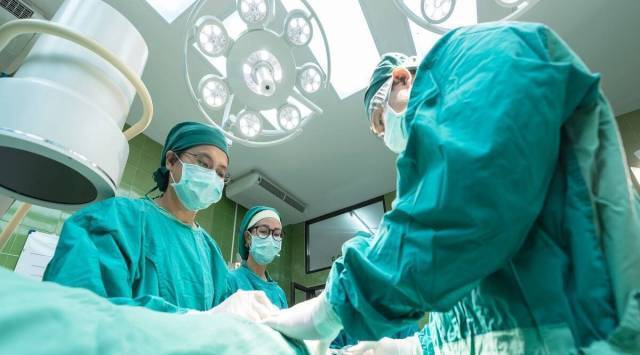
The transplantation of bone marrow stem cells is an extremely costly procedure. However, in some oncological diseases, it can save patients' lives, including children.
Experts have gathered enough data about which transplant procedures are actually needed and which can be safely saved to reduce the total cost of transplants, especially in middle-income countries, because there is already a lot of experience with bone marrow transplants worldwide.
Lawrence B. Faulkner (Italy), a paediatric hematologist-oncologist and stem cell transplant specialist, said Bone marrow transplantation, like any complicated medical procedure, often involves many complex and expensive drugs, equipment, and procedures, the use of which is not always supported by scientific evidence.
"Our approach is that if there is no evidence that this expensive and complicated procedure can have a positive effect on transplant outcome, we will not support it and we will not pay for it," he explained. "Many transplants have already been performed, and enough data has been gathered to determine which procedures are not as important within the context of transplantation, and which should not be overlooked."
According to him, it is accepted in many centres where bone marrow stem cells are transplanted that the ward should be completely sterile, the air should be specially filtered, there should be positive pressure, and so on. However, as the specialist pointed out, there is no scientific evidence that any of this influences the outcome of the transplant or increases the patients' chances of survival.
If no such evidence exists, it may be prudent to abandon the desire to maintain complete sterility in the ward, as it is quite costly. Furthermore, bone marrow transplants require a number of very expensive drugs, but Dr. Faulkner claims that the same results can often be obtained with less expensive drugs. And all of these measures can help to reduce the cost of this procedure several times over, which is critical, particularly for middle-income countries.
Faulkner noted that the results of bone marrow stem cell transplantation in Armenia are quite good, with 80 percent of transplants being successful, indicating that the centre where these procedures are performed in Armenia is functioning properly, and there is no reason for children with diseases for which this transplant can be effective to travel abroad for this procedure.
"Nurses play a critical role in the field of transplantation, and I believe that nurses who specialise in this field should be paid significantly more." "However, they are now paid less than they deserve," the specialist explained.
Furthermore, he believes that nurses, particularly those who work with cancer patients and assist with bone marrow transplantation, should improve their qualifications, attend international conferences, and attend master classes on a regular basis. And, so that they do not have communication issues as a result of all of this, the management of their clinics should encourage them to learn English.
Faulkner is one of the speakers at the Asia 2023 XV Congress of the International Society of Paediatric Oncology (SIOP), which began Thursday in Yerevan. In the context of this event, he will deliver a lecture on Sunday titled "Transplantation/cell therapy service start-up and sustainability in middle-income countries."