
India Cracks Down on Illegal Imports of Refurbished Medical Devices
In a decisive step to address the influx of unregulated medical equipment, India’s drug regulatory authority has urged the Customs Department to prohibit the importation of refurbished medical devices.
- By Newsdesk
- New Delhi
- Jan 17, 2025
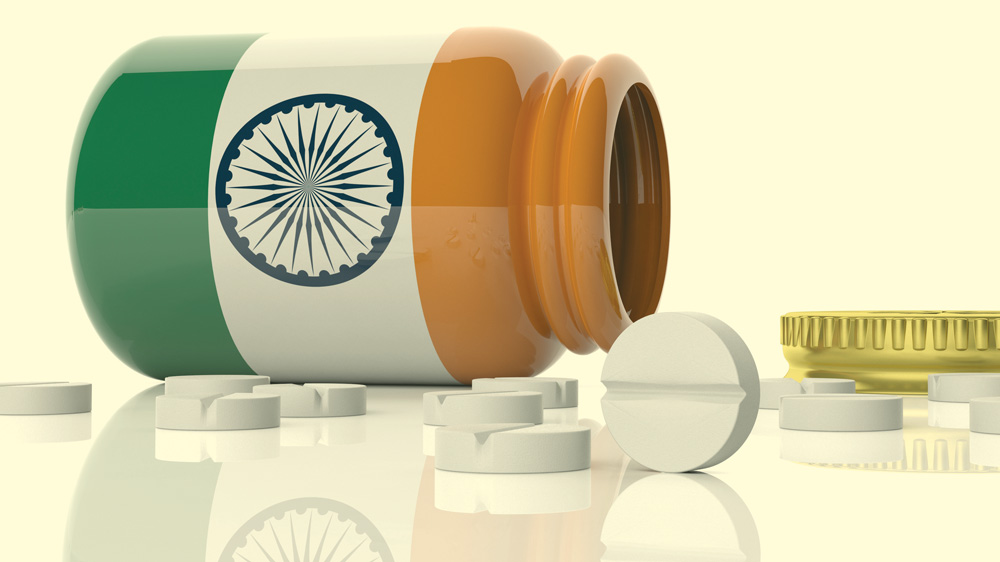
In a decisive step to address the influx of unregulated medical equipment, India’s drug regulatory authority has urged the Customs Department to prohibit the importation of refurbished medical devices. This directive, aimed at safeguarding patient safety and bolstering the domestic medical technology industry, underscores the lack of regulatory provisions for such imports under the current Medical Devices Rules, 2017.
In a letter dated January 10, the regulator emphasized that refurbished medical devices lack the necessary licensing for importation, sale, and distribution in India. The communication also pointed out that the absence of specific guidelines for these devices has facilitated unchecked imports, raising alarms within the healthcare and medical device sectors.
Industry and Safety Concerns
Domestic manufacturers have expressed growing concerns over the unchecked entry of refurbished medical equipment into the Indian market. These devices, often imported without proper certifications, pose potential risks to patient safety and undermine the country’s efforts to build a robust healthcare infrastructure.
Highlighting these issues, the Patient Safety and Access Initiative of India Foundation (PSAIIF) filed a public interest litigation last year in the Delhi High Court. The petition flagged reliability concerns and the potential dangers associated with using such devices in medical treatments. “The regulatory clarification is a welcome move and a significant enabler for ‘Make in India’ initiatives,” said Rajiv Nath, forum coordinator at the Association of Indian Medical Device Industry (AIMED).
Drawing a parallel with restrictions on importing pre-owned vehicles and electronic gadgets like iPhones, Nath added, “We encourage multinational corporations to invest in India and manufacture high-tech medical equipment locally, making these affordable for Indian patients. Healthy competition is essential for industry growth.”
Policy Intervention to Protect Domestic Industry
Jitendra Sharma, Managing Director of the Andhra Pradesh MedTech Zone, lauded the move as a crucial policy intervention to shield the domestic industry from the dumping of substandard equipment. “Halting the import of refurbished medical devices will not only protect the domestic industry but also ensure that patients receive medical care using reliable and certified equipment,” he stated.
The Medical Technology Association of India (MTaI) echoed this sentiment while calling for a balanced approach. “The government’s suspension of refurbished medical device imports is a prudent measure. However, it is crucial for the Ministry of Health and Family Welfare to expedite the creation of a comprehensive policy framework,” the association noted. They further highlighted the significance of the pre-owned medical equipment market, which constitutes approximately 10% of India’s medical device industry. “This segment plays a vital role in addressing healthcare demands in tier-2, tier-3, and rural areas. A streamlined approval process for imports during the policy formulation period is essential to avoid disruptions,” MTaI added.
A Step Towards Self-Reliance
This regulatory action is expected to catalyze investments in India’s domestic medical device manufacturing sector, aligning with the government’s broader ‘Atmanirbhar Bharat’ (self-reliant India) vision. By curbing the entry of unregulated refurbished equipment, the government aims to ensure that patients across the country have access to high-quality and safe medical devices, while also fostering innovation and competition within the domestic market.
As the healthcare industry awaits the Ministry’s policy framework, stakeholders emphasize the need for collaboration between regulators, manufacturers, and healthcare providers to strike a balance between accessibility and safety. This move, they believe, marks a pivotal moment in India’s journey toward becoming a global leader in medical technology innovation.