
India Faces Severe Public Health Challenge as Viral Hepatitis Mortality Remains Alarmingly High
The report underscores a troubling paradox: although highly effective vaccines and affordable treatments exist, a vast majority of the infected population remains undiagnosed and untreated. In India, approximately 2.9 crore people are living with Hepatitis B, while 0.55 crore are affected by Hepatitis C, yet the diagnostic coverage remains strikingly low, with only a small fraction of these individuals aware of their status.
- By Newsdesk
- New Delhi
- May 01, 2026
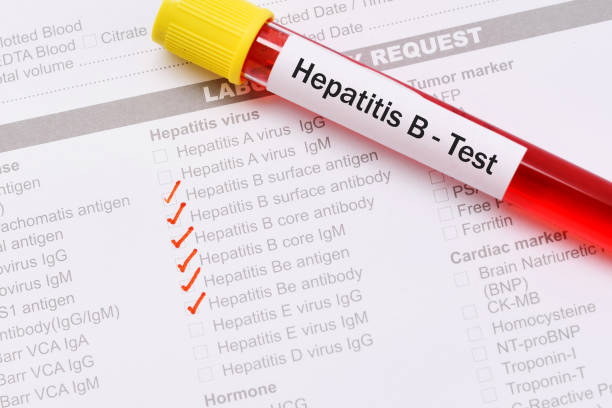
A sobering new report from the World Health Organization (WHO) has identified India as one of the nations most severely impacted by the global viral hepatitis crisis, as the disease continues to claim lives at a high rate despite significant medical advancements elsewhere. The data reveals that while global efforts have made inroads against various infectious diseases, viral hepatitis has surged to become the second leading infectious cause of death worldwide, trailing only COVID-19 and surpassing tuberculosis.
Within this context, India carries a disproportionate share of the disease burden, accounting for nearly 11.6% of the global total of hepatitis cases, a figure that highlights a critical gap in screening and treatment access for the nation's 1.4 billion people.
The report underscores a troubling paradox: although highly effective vaccines and affordable treatments exist, a vast majority of the infected population remains undiagnosed and untreated. In India, approximately 2.9 crore people are living with Hepatitis B, while 0.55 crore are affected by Hepatitis C, yet the diagnostic coverage remains strikingly low, with only a small fraction of these individuals aware of their status. This lack of awareness, coupled with limited access to life-saving antiviral therapies in many regions, has led to approximately 1.2 lakh deaths annually within the country due to complications like cirrhosis and liver cancer.
Globally, the mortality rate has climbed to 13 lakh deaths per year, a trend that the WHO warns will continue upward unless immediate and aggressive policy shifts are implemented to decentralize care and reduce the cost of essential diagnostics.
As India navigates its path toward its 2026 health goals, the findings serve as a stark reminder of the urgent need for integrated public health strategies that prioritize viral hepatitis within primary healthcare systems. The WHO has called for a massive scaling up of testing and a reduction in the "financial toxicity" associated with private-sector treatment, urging nations to leverage generic drug production to make care more equitable.
Without a significant "Jan Andolan" or people's movement to drive testing and vaccination, India remains at risk of falling behind in the global race to eliminate hepatitis as a public health threat by 2030, even as its broader medical infrastructure continues to modernize.