
India’s Pharma Sector at Crossroads Amid Trump’s Proposed 200% Tariff
The United States is India's largest pharmaceutical buyer, making this proposed tariff a high-stakes development. According to the Pharmaceuticals Export Promotion Council of India (Pharmexcil), nearly one-third of Indian pharma exports head to the US. In the last fiscal year alone, these exports grew by 16% to nearly $9 billion, with industry giants like Aurobindo Pharma, Sun Pharmaceutical, Dr. Reddy’s Laboratories, and Cipla leading the charge.
- By Newsdesk
- New Delhi
- Jul 09, 2025
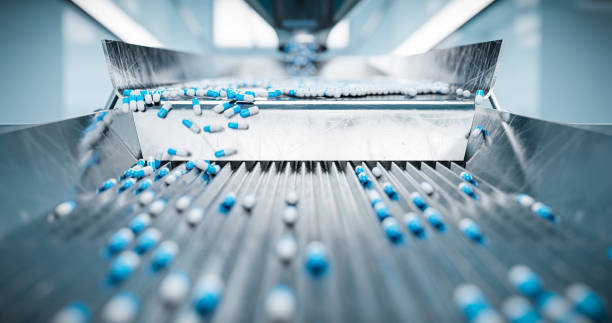
India’s pharmaceutical industry—widely hailed as the "Pharmacy of the World"—may be staring down a significant disruption as former US President Donald Trump proposes a sweeping 200% tariff on pharmaceutical imports. While still awaiting confirmation and expected to carry a potential grace period of up to 18 months, the plan could severely undermine India’s dominant position in the global generics and vaccine markets.
The United States is India's largest pharmaceutical buyer, making this proposed tariff a high-stakes development. According to the Pharmaceuticals Export Promotion Council of India (Pharmexcil), nearly one-third of Indian pharma exports head to the US. In the last fiscal year alone, these exports grew by 16% to nearly $9 billion, with industry giants like Aurobindo Pharma, Sun Pharmaceutical, Dr. Reddy’s Laboratories, and Cipla leading the charge.
If enacted, the steep tariffs could sharply erode the profit margins of Indian drugmakers. By inflating the final cost of Indian medicines in the US market, the move may make domestic alternatives more appealing to American buyers. Indian firms, long valued for their combination of affordability and quality, may be forced to cut prices just to remain competitive—an unsustainable option for many.
A Threat to India’s Pharma Dominance
India’s reputation as a reliable, low-cost supplier could suffer a major setback if it loses its pricing advantage in the US. With over 6,300 USFDA-approved products and a robust track record of regulatory compliance, India’s pharma sector has heavily invested in infrastructure and approvals tailored specifically to US standards. These investments now risk becoming stranded assets should the US market become less viable.
Trump’s additional warning of a possible 10% blanket tariff on imports from BRICS nations—including India—only amplifies the alarm. The compounded effect of a 210% tariff on Indian pharmaceuticals could further stifle growth and investor confidence.
This shockwave has already hit Indian markets. Just hours after Trump’s statement, Indian equity benchmarks opened on a tentative note. By 9:15 a.m. IST on Wednesday, the Nifty 50 had slipped by 0.03% to 25,514.6, while the BSE Sensex was down 0.1% at 83,625.89. Pharma stocks were among the hardest hit, with the sectoral index falling 0.3%.
Diversification: India’s Strategic Escape Route?
Industry leaders and policymakers may now look to recalibrate their export strategies. Given the potential fallout, Indian companies could use the 18-month window to diversify into other emerging markets across Europe, Africa, Latin America, and Southeast Asia.
India already has a diverse export portfolio that includes formulations, biologics, active pharmaceutical ingredients (APIs), vaccines, and biosimilars. According to the India Brand Equity Foundation (IBEF), Indian pharmaceutical exports are well-positioned globally, with consistent demand from countries like the UK, South Africa, the Netherlands, and France.
Export data from FY24 underscores this breadth:
- USA: $8.73 billion
- UK: $784.32 million
- South Africa: $718.54 million
- Netherlands: $699.16 million
- France: $667.49 million
From April to December FY25, the US, UK, and South Africa remained top buyers, accounting for 32.76%, 2.82%, and 2.58% of Indian exports respectively.
A Sector Too Big to Ignore
India’s pharmaceutical sector is massive, comprising over 3,000 companies and more than 10,500 manufacturing units. The country produces more than 60,000 generic drug brands across 60 therapeutic categories. In FY24, the sector’s total turnover touched ₹4.17 lakh crore, growing at a consistent 10% annual rate and contributing 1.72% to India’s GDP. Pre-tariff projections pegged the market to hit $130 billion by 2030.
With so much at stake, the proposed US tariff represents more than just a trade hurdle—it could alter the strategic direction of one of India's most globally competitive industries. Whether through diplomatic negotiations or strategic diversification, India's pharma sector now faces a decisive moment that could redefine its future on the global stage.