
India’s Pharma Sector Spared as Trump Exempts Industry from Harsh Tariffs
The decision, announced on Thursday, safeguards India’s pharmaceutical exports to the U.S., a market that constitutes nearly 30% of the sector’s total outbound shipments.
- By Newsdesk
- New Delhi
- Apr 03, 2025
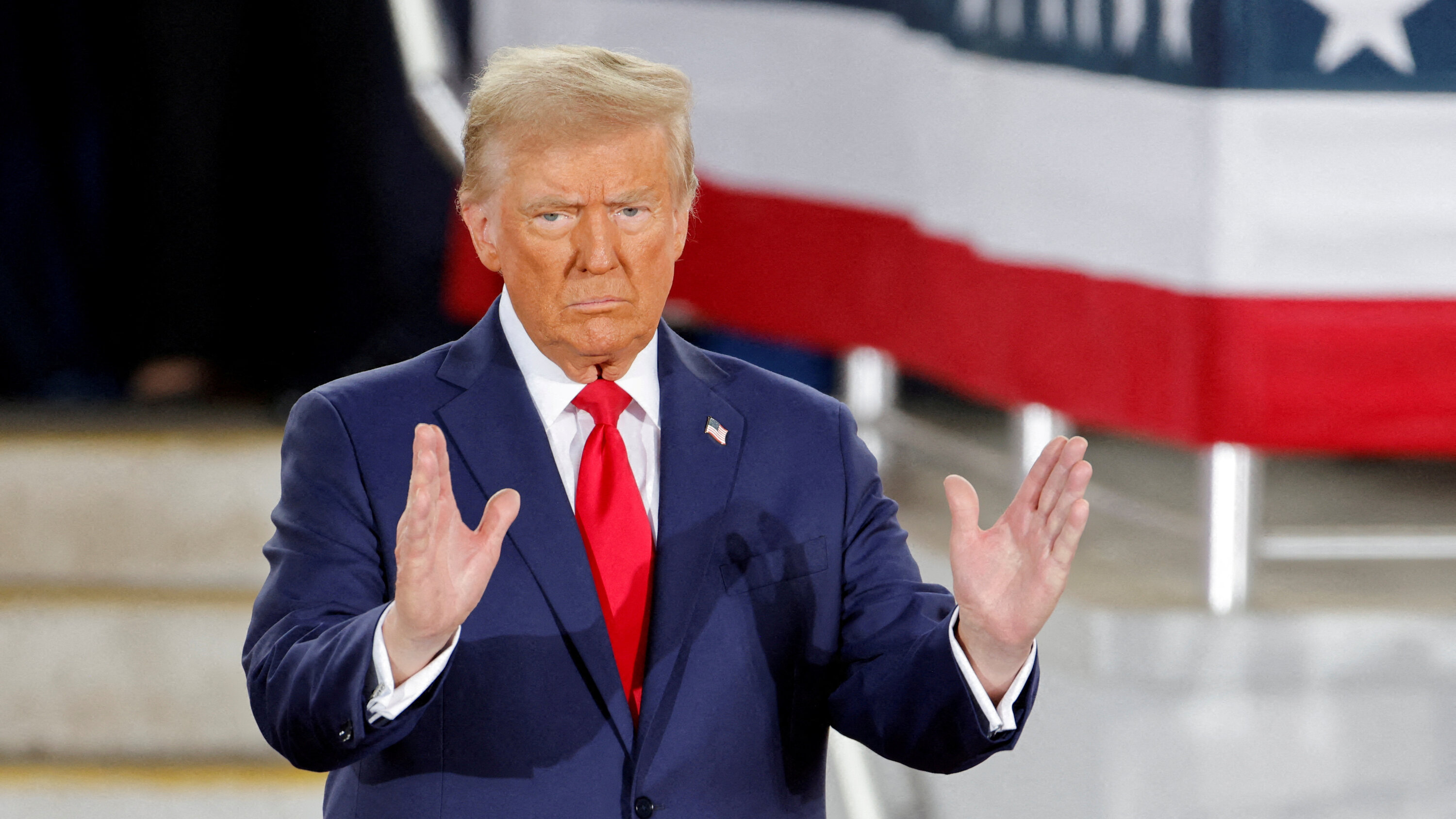
In a significant relief for India’s pharmaceutical industry, U.S. President Donald Trump has exempted pharmaceuticals—one of New Delhi’s key exports—from the newly imposed reciprocal tariff regulations. The decision, announced on Thursday, safeguards India’s pharmaceutical exports to the U.S., a market that constitutes nearly 30% of the sector’s total outbound shipments.
The White House, in an official fact sheet, outlined the exemptions: “Certain goods will not be subject to the Reciprocal Tariff. These include: (1) articles under 50 USC 1702(b); (2) steel, aluminum, and auto parts already covered by Section 232 tariffs; (3) copper, pharmaceuticals, semiconductors, and lumber; (4) any future Section 232 tariff items; (5) bullion; and (6) energy and specific minerals unavailable in the U.S.”
Industry leaders have lauded the exemption, emphasizing the indispensable role of India’s affordable, high-quality generic medicines in global healthcare. Sudarshan Jain, Secretary General of the Indian Pharmaceutical Alliance (IPA), remarked, “India and the U.S. share a robust trade partnership, with a mutual vision to expand trade to $500 billion under the Mission 500 initiative. Pharmaceuticals remain a cornerstone of this relationship, ensuring a steady supply of affordable medicines to the U.S. healthcare system.”
While granting exemptions for pharmaceuticals, the White House also pointed out the trade barriers imposed by India in sectors such as chemicals, telecom products, and medical devices. These regulatory requirements, described as “uniquely burdensome” and duplicative, reportedly increase costs and hinder American exports.
“If these barriers were lifted, U.S. exports could rise by at least $5.3 billion annually,” the White House stated.
The exemption underscores the strategic importance of India’s pharmaceutical industry in U.S. healthcare, reinforcing bilateral trade ties while spotlighting broader trade concerns between the two nations.