
India Should Demand Reciprocity in Medical Devices Market Access Under FTA with EU: GTRI
Currently, India levies tariffs ranging from zero to 10 percent on most medical devices. GTRI cautioned that if India reduces these tariffs without addressing the regulatory challenges imposed by the EU, it may result in a surge of imports from Europe while Indian exports remain restricted.
- By Newsdesk
- New Delhi
- Mar 17, 2025
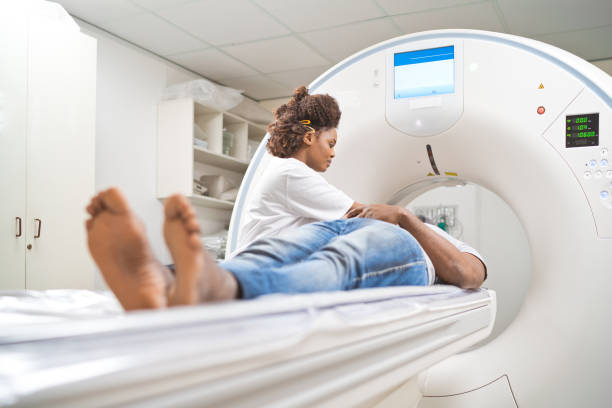
India must seek reciprocal concessions from the European Union (EU) in the medical devices sector under the proposed Free Trade Agreement (FTA) to enhance its export potential, according to economic think tank Global Trade Research Initiative (GTRI).
Currently, India levies tariffs ranging from zero to 10 percent on most medical devices. GTRI cautioned that if India reduces these tariffs without addressing the regulatory challenges imposed by the EU, it may result in a surge of imports from Europe while Indian exports remain restricted.
"For a balanced trade agreement, India should insist on reciprocity. Any tariff reductions on medical devices should be conditional upon the EU easing its stringent non-tariff barriers," GTRI stated.
Asymmetry in India-EU FTA Negotiations
The ongoing negotiations between India and the EU over medical devices are highly imbalanced. While the EU is pushing for zero tariffs on Indian medical devices, it simultaneously maintains stringent regulatory frameworks that create significant entry barriers for Indian manufacturers.
Ajay Srivastava, Founder of GTRI, highlighted that although the EU imposes zero customs duties, the cost of market entry remains prohibitive due to its complex regulatory system.
"Exporting to the EU has become increasingly difficult following the transition from the Medical Device Directives (EU-MDD) to the more stringent Medical Device Rules (EU-MDR)," Srivastava explained.
High Certification Costs Hindering Indian Exports
Illustrating the financial burden, Srivastava noted that compliance with EU regulations requires an annual investment of €60,000 to €300,000 for products valued between €100,000 and €3.75 million. Additionally, the certification approval process has extended from the previous 4-8 months to a prolonged 2-3 years.
"A shortage of notified bodies and auditors in the EU is further escalating certification costs, forcing Indian exporters to withdraw from the EU market or limit their product offerings," he added.
Limited Participation in Global Regulatory Programs
Another factor restricting India's exports is its absence from the Medical Device Single Audit Program (MDSAP), which facilitates a single compliance audit for multiple regulated markets, including Australia, Brazil, Canada, Japan, and the United States.
To strengthen its foothold in the EU and other major markets, India must pursue Mutual Recognition Agreements (MRAs) with the EU, the U.S., and other regulated markets based on internationally harmonized ISO standards, Srivastava suggested.
India’s Growing Medical Devices Sector
India’s medical devices sector is expanding and gradually reducing the country’s reliance on imports. In 2024, India’s global exports in the sector reached $2.3 billion, while imports stood at $4.7 billion. The EU remains a significant trade partner, with exports worth $580 million and imports valued at $1.15 billion.
As India negotiates its FTA with the EU, ensuring a fair and reciprocal arrangement will be crucial to safeguarding the growth of its medical devices industry while preventing an unchecked influx of European imports.