
Majority of Indians Fall Short on Fibre Intake, Women at Higher Risk, Reveals Nationwide Survey
As the world observes World Digestive Health Day, a significant health concern has come to light: nearly 70% of Indians are not consuming the recommended daily intake of dietary fibre, potentially compromising their gut health. The situation appears even more critical among women, with 74% reporting insufficient fibre intake, compared to 64% of men.
- By Newsdesk
- New Delhi
- May 29, 2025
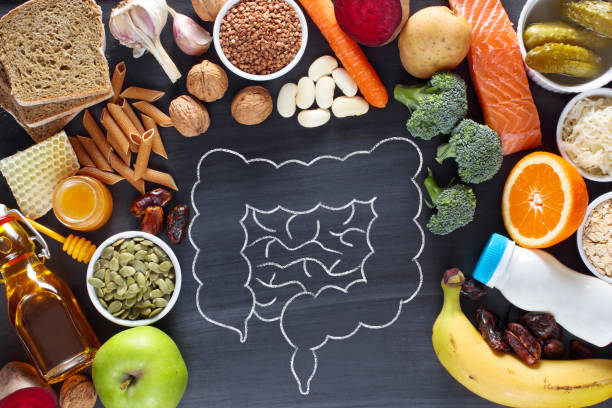
As the world observes World Digestive Health Day, a significant health concern has come to light: nearly 70% of Indians are not consuming the recommended daily intake of dietary fibre, potentially compromising their gut health. The situation appears even more critical among women, with 74% reporting insufficient fibre intake, compared to 64% of men.
These insights emerge from a large-scale survey conducted via the Aashirvaad Happy Tummy platform, capturing responses from over 800,000 individuals across the country. The study combined inputs from 127,000 people through the Fibre Meter and 740,000 respondents who completed the Digestive Quotient Test, painting a comprehensive picture of India’s fibre consumption habits between 2021 and early 2025.
Health experts are sounding the alarm, calling the fibre deficit a "silent crisis" with wide-reaching implications for public health.
"The gut plays a foundational role in our overall well-being," said Dr. B. S. Ramakrishna, Director and Senior Consultant – Medical Gastroenterology at SRM Institutes for Medical Science, Chennai. "A fibre-rich diet, especially one that includes whole grains and multigrain sources, is vital for supporting a diverse and balanced gut microbiome. The lack of fibre is contributing to a rise in digestive and chronic lifestyle disorders across India."
Dr. Ramakrishna further noted that fibre is not just important for digestion—it’s a critical component in preventing chronic diseases, boosting immunity, and promoting metabolic health.
Anuj Rustagi, Chief Operating Officer – Staples and Adjacencies, ITC Foods, echoed the concerns: “Fibre is a cornerstone of digestive health, yet it remains missing in many daily Indian diets. This gap is deeply concerning. Small but consistent dietary changes—such as incorporating multigrains, fresh fruits, vegetables, and maintaining adequate hydration—can go a long way in bridging this deficit.”
Nutritionists stress that improving fibre intake is one of the simplest ways to enhance long-term health outcomes. Anita Jatana, Chief Dietician at Indraprastha Apollo Hospital in Delhi, highlighted how modern eating habits are failing to meet the body's needs.
"Many digestive issues can be traced back to low fibre diets," she said. "Fibre not only supports smooth digestion but also delivers key micronutrients. Making conscious swaps—like replacing refined grains with whole grains, oats, and millets—combined with regular physical activity and proper rest, can significantly elevate digestive health."
The findings underscore the urgent need for greater awareness and dietary reforms, especially as India grapples with rising cases of non-communicable diseases and lifestyle-related health conditions. Experts agree: fibre isn’t optional anymore—it’s essential.