
Over 90% of Pollution-Related Deaths from Landscape Fires Occur in Low-Income Countries: Study
According to the study, approximately 450,000 deaths annually are linked to heart-related conditions, while respiratory diseases account for another 220,000 fatalities.
- By Newsdesk
- New Delhi
- Nov 28, 2024
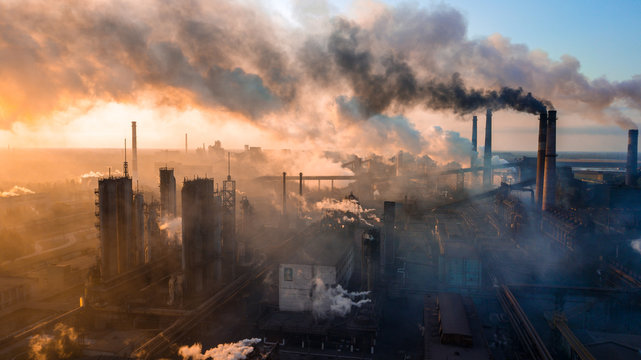
A recent study published in The Lancet reveals that over 90% of global deaths attributed to air pollution from landscape fires occur in low- and middle-income countries, including India. Other nations bearing significant burdens include China, Indonesia, and various sub-Saharan African countries.
The research, led by an international team that included experts from Monash University, Australia, underscores the stark geographic and socioeconomic disparities in how landscape fires impact public health.
Landscape fires, which encompass both natural events like forest fires and those resulting from human activities, generate air pollution that significantly contributes to long-term cardiovascular and respiratory illnesses. According to the study, approximately 450,000 deaths annually are linked to heart-related conditions, while respiratory diseases account for another 220,000 fatalities.
The analysis drew from data spanning 204 countries and territories between 2000 and 2019, utilizing information from the 2019 Global Burden of Diseases Study. This initiative, coordinated by the Institute for Health Metrics and Evaluation (IHME) at the University of Washington, is considered the most comprehensive resource for tracking global health trends.
Researchers also incorporated data from the Global Fire Emissions Database, revealing the growing health threat posed by pollution from landscape fires, a challenge exacerbated by climate change.
The study's authors called for immediate action to mitigate the health impacts of this pollution. They emphasized the need for high-income countries to provide financial and technological support to vulnerable nations while implementing climate adaptation and mitigation strategies. Such measures, they argued, are essential to reducing the health risks associated with landscape fire-related air pollution and addressing underlying inequalities.