
Pakistan Faces Rapidly Escalating HIV Crisis as Cases Rise 200% in 15 Years
In a joint statement during a World AIDS Day awareness event, WHO, UNAIDS and Pakistan’s health ministry urged immediate and coordinated action to reverse the trend. They called for expanded testing, safer medical and blood-transfusion practices, intensified public awareness campaigns, and improved access to HIV prevention and treatment services especially for vulnerable groups, including women and children.
- By ANI
- Islamabad
- Dec 03, 2025
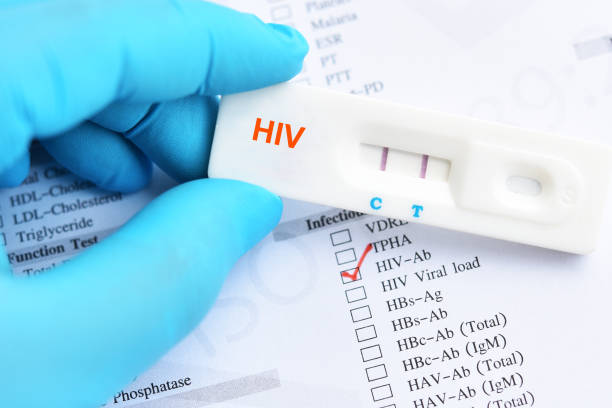
World Health Organization (WHO) and UNAIDS have issued a stark warning that Pakistan is now witnessing one of the fastest-growing HIV epidemics in the Eastern Mediterranean region. According to health authorities, new HIV infections in the country have increased threefold over the past decade and a half, rising from around 16,000 in 2010 to 48,000 in 2024.
That dramatic rise has thrust the virus beyond traditional “high-risk” populations, now affecting children, spouses, and broader community segments. Unsafe blood transfusions, reuse of syringes, gaps in infection-control protocols, lack of routine HIV testing (including during prenatal care), unprotected sexual activity, stigma, and limited access to healthcare services are among the key factors behind this expansion.
It is estimated that approximately 350,000 people in Pakistan are currently living with HIV. Alarmingly, nearly 80% of them remain unaware of their infection, which severely limits the country’s ability to contain further spread.
Recent years have witnessed some progress the number of antiretroviral therapy (ART) centres has increased from 13 in 2010 to 95 by 2025. Meanwhile, the number of people receiving ART grew nearly eightfold: from around 6,500 in 2013 to roughly 55,500 by 2024. Nonetheless, only about 21% of people living with HIV knew their status in 2024. Of those, only 16% were on treatment, and a mere 7% had achieved viral-load suppression. More than 1,100 AIDS-related deaths were recorded last year.
In a joint statement during a World AIDS Day awareness event, WHO, UNAIDS and Pakistan’s health ministry urged immediate and coordinated action to reverse the trend. They called for expanded testing, safer medical and blood-transfusion practices, intensified public awareness campaigns, and improved access to HIV prevention and treatment services especially for vulnerable groups, including women and children.
The agencies stressed that without swift intervention, the epidemic could inflict even more widespread damage jeopardising public health gains and the futures of countless individuals across the country.