
Pharma Industry Calls for Price Cap Exemptions on Inexpensive Drugs
In a recent meeting, the Federation of Pharma Entrepreneurs (FoPE) also requested that the exemption period for patented drugs be extended from five to ten years. According to FoPE, the current five-year exemption is prompting many companies to conduct research abroad.
- By Newsdesk
- New Delhi
- Jul 16, 2024
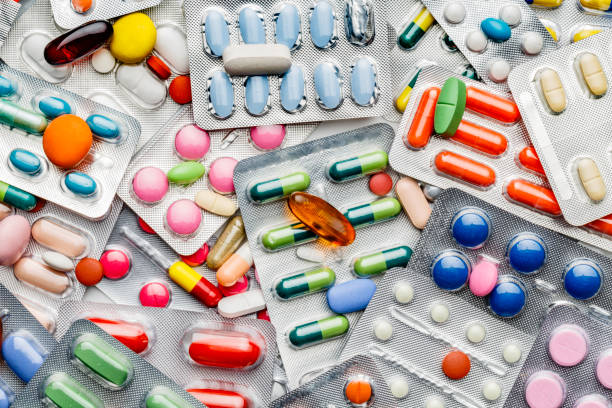
The pharmaceutical industry has appealed to the government to exempt low-priced formulations, specifically those priced at up to ₹5 per unit, from the ceiling price regulations. In a recent meeting, the Federation of Pharma Entrepreneurs (FoPE) also requested that the exemption period for patented drugs be extended from five to ten years. According to FoPE, the current five-year exemption is prompting many companies to conduct research abroad.
FoPE emphasized in its presentation to the Department of Pharmaceuticals (DoP) that all formulations sold at ₹5 per unit—whether per tablet, capsule, milliliter, or gram—should be exempted from ceiling price provisions. A source familiar with the situation mentioned, "The industry has long sought this exemption. It would be beneficial to allow small manufacturing units to operate outside the Drug Price Control Order (DPCO) provisions."
The Indian Pharmaceutical Alliance (IPA), representing major drug manufacturers, along with other industry groups, had previously lobbied for similar exemptions for low-priced formulations.
The National Pharmaceutical Pricing Authority (NPPA) is responsible for setting the ceiling prices of essential Schedule I drugs under the DPCO. FoPE argues that the industry is struggling with rising input costs, noting that the prices of key active pharmaceutical ingredients have increased by 15-130% in recent years.
Harish Jain of FoPE suggested that a suitable revision of ceiling prices should be considered due to statutory improvements in quality, such as the revision of Schedule M and enhancements in pharmacopoeial monographs.
Additionally, FoPE has proposed a reduction in the goods and services tax (GST) on inputs like active pharmaceutical ingredients (APIs), excipients, and packaging materials to 5%. Jain pointed out that the current inverted GST structure, where the GST on finished products is 12% and on inputs and services is 18%, results in the accumulation of GST credit and ties up valuable working capital for manufacturers.