
Sun Pharma’s $11.75 Billion Organon Deal Marks Landmark Global Expansion for Indian Pharma
This acquisition gives the Indian drugmaker access to Organon’s extensive portfolio of over 70 products spanning women’s health, biosimilars, and general medicines, with a presence across more than 140 countries.
- By Newsdesk
- New Delhi
- Apr 27, 2026
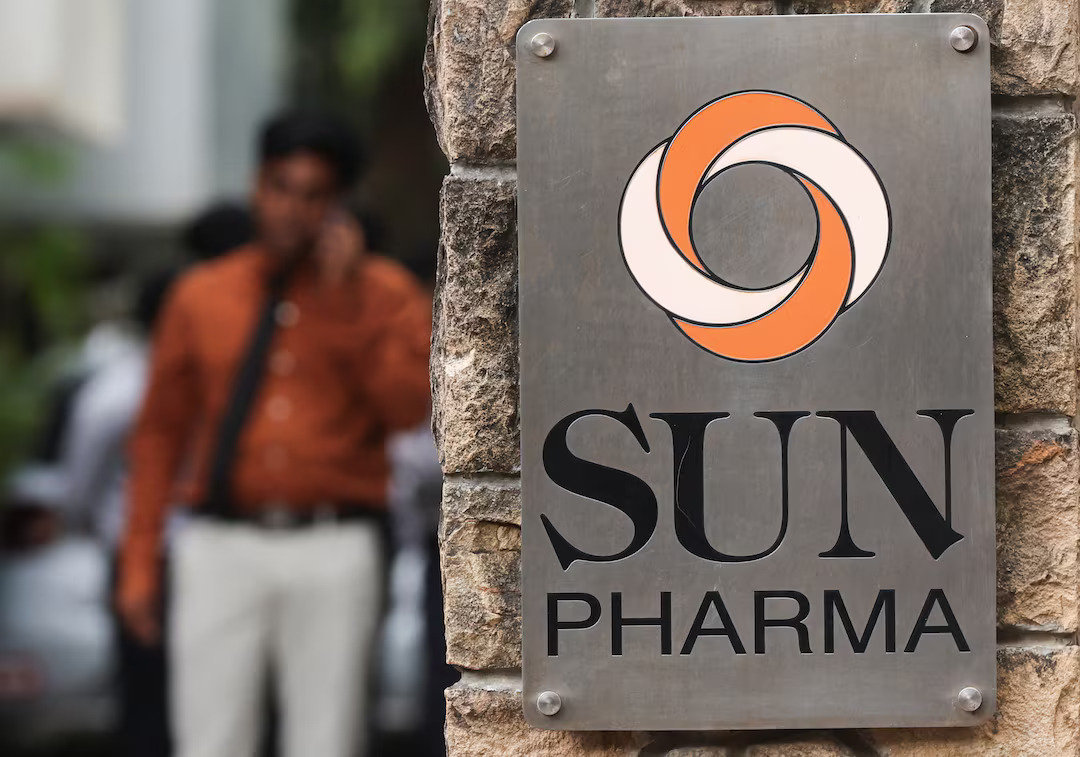
In one of the largest overseas acquisitions by an Indian pharmaceutical company, Sun Pharmaceutical Industries has announced a definitive agreement to acquire US-listed healthcare firm Organon & Co. in an all-cash deal valued at $11.75 billion, including debt.
The transaction, which has been approved by the boards of both companies, signals a bold strategic shift by Sun Pharma as it seeks to strengthen its global footprint and diversify into high-growth therapeutic segments. The deal is expected to close by early 2027, subject to regulatory clearances and shareholder approvals.
Under the terms of the agreement, Sun Pharma will pay $14 per share to Organon’s shareholders, offering a significant premium over the company’s recent trading levels. This acquisition gives the Indian drugmaker access to Organon’s extensive portfolio of over 70 products spanning women’s health, biosimilars, and general medicines, with a presence across more than 140 countries.
The move is being widely viewed as a transformational step for Sun Pharma, positioning it among the leading global players in women’s health and strengthening its capabilities in the fast-growing biosimilars segment. At the same time, it aligns with the company’s broader strategy to expand into specialty and high-margin therapies such as dermatology, oncology, and obesity care.
Financially, the deal underscores Sun Pharma’s strong balance sheet and ambition to scale globally. While Organon brings in steady revenues and established international markets including key regions like Brazil and China the acquisition is also expected to enhance long-term value through operational synergies and portfolio expansion.
Market reaction to the announcement has been swift, with Sun Pharma’s shares witnessing a sharp uptick, reflecting investor confidence in the strategic rationale behind the acquisition.
As consolidation gathers pace in the global pharmaceutical industry, this landmark deal not only elevates Sun Pharma’s international standing but also highlights India’s growing influence in shaping the future of global healthcare.
Source: Reuters