
Trump Pushes Sweeping Industrial Deals in Pharma, AI, Energy & Mining Ahead of Midterms
At the heart of the initiative is a willingness to strike unconventional bargains: tariff relief in exchange for revenue guarantees, equity stakes in distressed companies, or preferential procurement agreements. The overarching strategy is designed to generate headline-grabbing wins ahead of November’s midterms, while also reshaping the U.S. industrial base.
- By Newsdesk
- New Delhi
- Oct 03, 2025
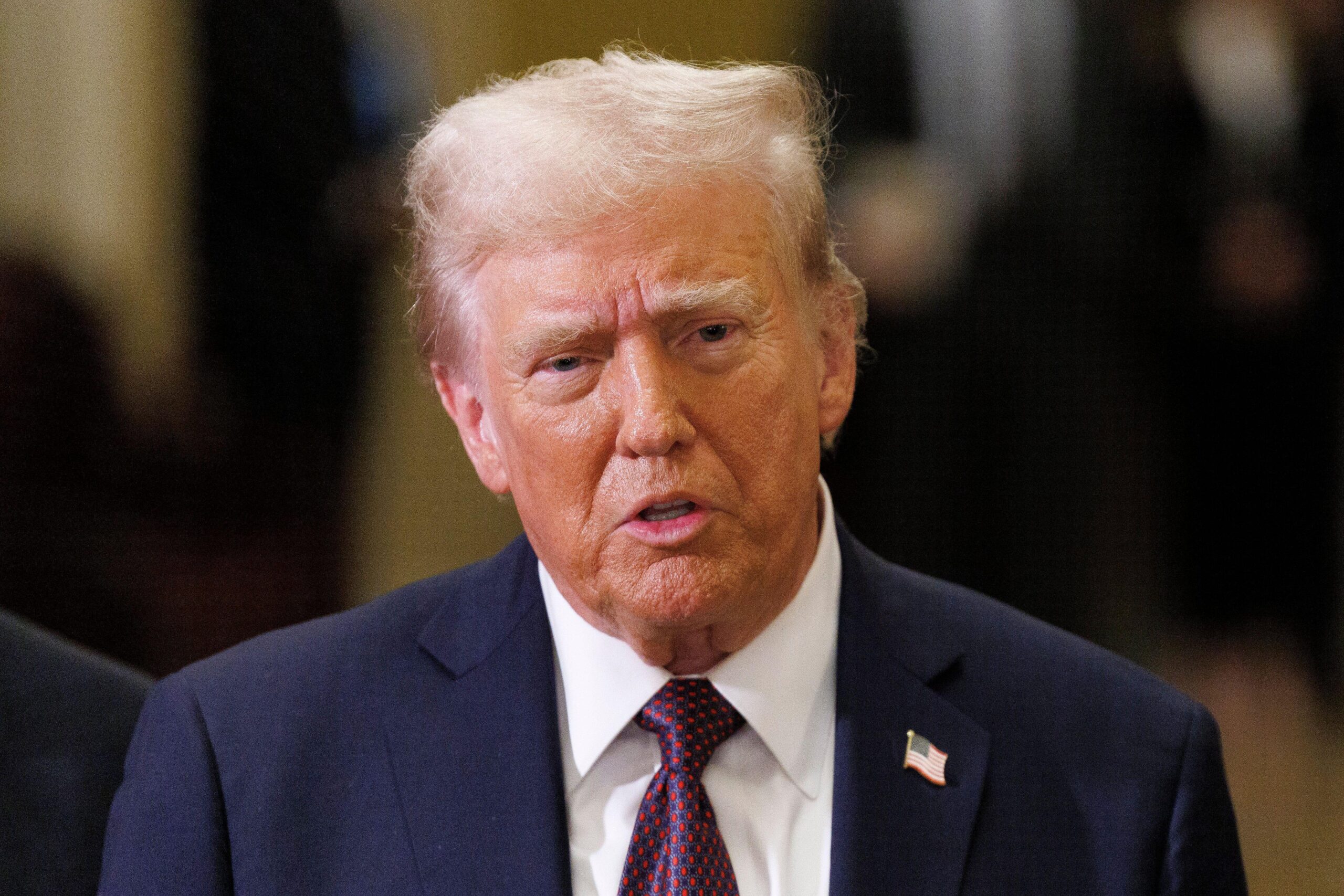
In a bold departure from traditional Republican orthodoxy, the Trump administration is orchestrating an aggressive deal-making agenda across some 30 strategic sectors—ranging from pharmaceuticals and artificial intelligence to energy and critical minerals—with an eye toward influencing the outcome of the 2026 midterm elections.
At a recent Oval Office event, Trump revealed a tentative agreement with Pfizer CEO Albert Bourla: the company will cut drug prices in exchange for relief from proposed tariffs on imported pharmaceuticals. “The United States is done subsidizing healthcare of the rest of the world,” Trump declared, signaling a new doctrine in trade and industrial policy.
Under the spotlight are pharmaceutical giants such as Eli Lilly—asked to ramp up insulin production—and AstraZeneca, which has been encouraged to consider relocating its headquarters to the U.S. Senior officials from various agencies, including the White House, HHS, and Commerce Department, are reportedly in near-constant contact with corporate leaders to negotiate terms.
These pharmaceutical measures are only the opening act. Sources familiar with internal deliberations say the administration plans tailored interventions across sectors deemed vital to national security and economic competitiveness: semiconductors, quantum computing, critical minerals, battery manufacturing, shipping, and freight logistics.
At the heart of the initiative is a willingness to strike unconventional bargains: tariff relief in exchange for revenue guarantees, equity stakes in distressed companies, or preferential procurement agreements. The overarching strategy is designed to generate headline-grabbing wins ahead of November’s midterms, while also reshaping the U.S. industrial base.
To finance and manage these ambitions, the administration is leaning on the International Development Finance Corporation (IDFC). A June proposal would expand its authorized lending from $60 billion to $250 billion and launch a new equity fund dedicated to sectors with strategic and security importance. However, congressional approval and leadership appointments remain pending.
Complementing the IDFC is a newly conceived U.S. Investment Accelerator, housed in the Commerce Department and backed by a $550 billion funding commitment from Japan under a bilateral trade accord. Together, these vehicles almost replicate the sovereign-wealth fund Trump originally envisioned—but ultimately shelved.
Executives spearheading the deal effort include Commerce’s Howard Lutnick (recently dubbed Trump’s “dealmaker-in-chief”), former Silicon Valley investor Chris Klomp and health policy veteran John Brooks. Wall Street talents such as Michael Grimes and David Shapiro have also been recruited to structure and negotiate complex industrial arrangements.
Some of these deals have already taken shape: the administration’s deal with MP Materials—under which the Pentagon acquired a 15 % stake via the Defense Production Act—has become a template. The government also established a floor price on mineral purchases and secured a $500 million long-term commitment from Apple.
Other arrangements similarly blend financial incentives with government influence. In one case, a Department of Energy loan to Lithium Americas was converted into a 5–10 % equity stake.
Critics, however, warn of risks. These deal-making tactics mark a sharp turn away from a traditionally light touch on private enterprise, placing the government in the role of industry arbiter. “It’s amazing that a Republican administration is taking us farther away from traditional capitalism than any other Democratic administration,” said Columbia law professor John Coffee.
Opponents argue this model of state intervention could distort markets and create accountability gaps—especially if future administrations reverse course. Others question the longevity of the deals, worrying that many terms may unravel should political winds change.
As the midterms approach, Trump’s strategy is clear: shift from nominee to negotiator, and turn every industrial deal into both a policy lever and a political opportunity.
(Source: Reuters)