
Trump’s 100 % Drug Tariff Spares Generics — India Faces a Tenuous Aftermath
India currently exports close to USD 10–11 billion worth of generic medicines annually to the United States. Because the tariff excludes generics, that stream for now is safe.
- By Newsdesk
- New Delhi
- Sep 27, 2025
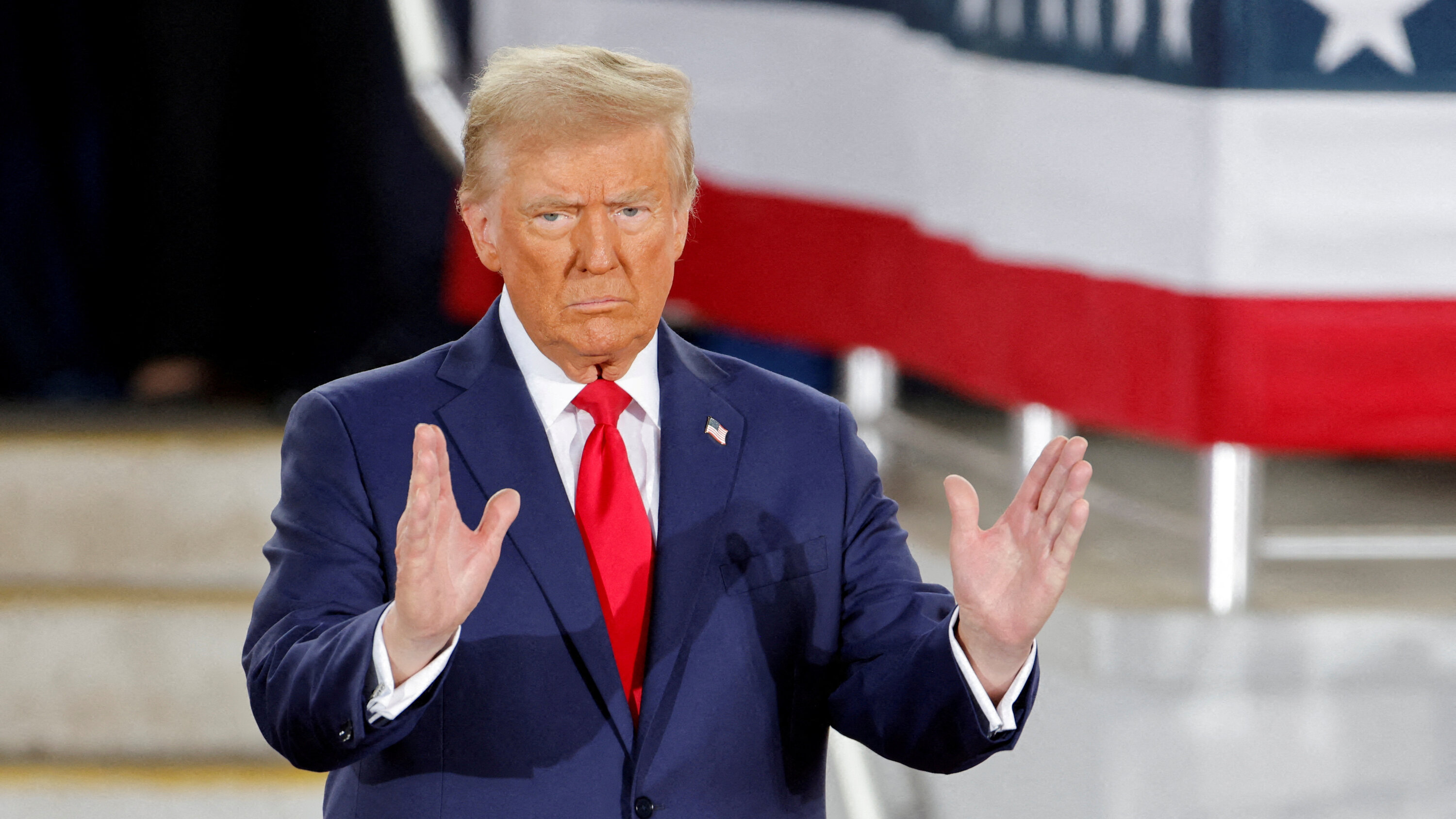
In a sweeping policy shift set to take effect on October 1, 2025, U.S. President Donald Trump has announced a 100 percent import tariff on branded and patented pharmaceutical products, making an explicit carve-out for generics.
While Indian drugmakers—whose exports to the U.S. are heavily skewed toward low-cost generic medicines—appear initially shielded, the broader industry is bracing for turbulence.
Markets Shaken, Caution in the Air
Indian pharmaceutical equities took an immediate hit following the tariff announcement, with sector indexes down significantly. Among major players, Sun Pharma, Dr. Reddy’s, and Cipla all saw notable dips.
Analysts warn that although generics are spared for now, the policy could evolve to include more complex generics or biosimilars, potentially entangling a larger swath of India’s pharma industry.
A Thin Buffer, Not a Guarantee
India currently exports close to USD 10–11 billion worth of generic medicines annually to the United States. Because the tariff excludes generics, that stream for now is safe.
Yet the exclusion is precarious. A later policy revision might encroach upon adjacent segments of the drug value chain, putting profit margins and competitive strength at risk.
Within India’s pharma majors, Dr. Reddy’s is seen as most exposed because of its growing footprint in specialty and branded therapeutics. Sun Pharma is also vulnerable via its specialty portfolios. Cipla, conversely, is viewed as relatively more insulated, owing to its dominant generics orientation.
Strategic and Diplomatic Stakes
The U.S. leadership frames this tariff as part of a push to rebuild domestic pharmaceutical manufacturing and lessen dependence on foreign suppliers.
Within India’s industry, the reaction is one of guarded alert. Executives acknowledge that while generics may survive this initial sweep, the shift may foreshadow a more aggressive reorientation of U.S. trade policy.
Moving ahead, India may need to fast-track vertical integration, reduce concentration of exports in the U.S., and explore diplomatic channels to ward off escalation. The generics exemption might buy time, but it does not guarantee immunity in the long term.