
Trump's 'America First' Policy Could Raise Tariffs on Key Indian Exports, Warn Experts
As Donald Trump secures a second term as president, Indian trade experts caution that his revived "America First" agenda could result in higher tariffs on Indian exports, particularly in sectors like automobiles, textiles, and pharmaceuticals.
- By Newsdesk
- New Delhi
- Nov 08, 2024
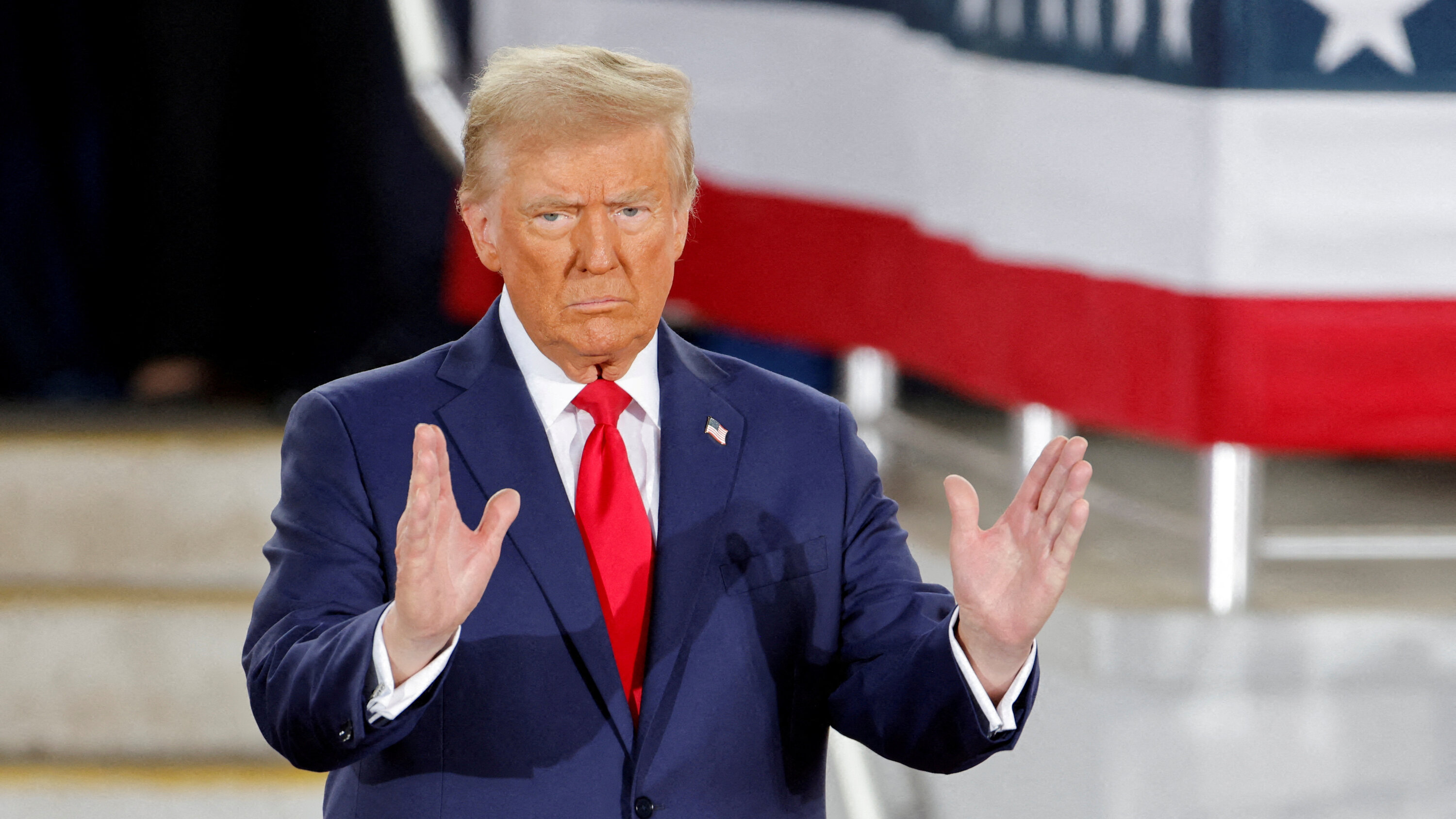
As Donald Trump secures a second term as president, Indian trade experts caution that his revived "America First" agenda could result in higher tariffs on Indian exports, particularly in sectors like automobiles, textiles, and pharmaceuticals. Trade analysts suggested that if Trump re-enters the White House, his administration may seek to curb trade deficits by imposing higher customs duties, potentially impacting Indian exporters reliant on the U.S. market.
Ajay Srivastava, founder of the Global Trade Research Initiative (GTRI), noted that Trump's policy shift could echo previous tariff escalations on Chinese imports, with India and other countries likely to face similar trade restrictions. Trump has referred to India as a "large tariff abuser" and even dubbed the country a "tariff king" in 2020, signaling that he could adopt a more protectionist stance toward Indian goods. Srivastava warns that increased tariffs could undermine the competitiveness of key Indian exports, reducing revenue in sectors like automotive, textiles, and pharmaceuticals.
India’s IT sector, which draws over 80% of its export revenue from the U.S., could face additional challenges if Trump’s administration tightens H-1B visa regulations. Such restrictions could raise operational costs for Indian IT firms and slow down industry growth, as the H-1B program is crucial for enabling skilled Indian professionals to work in the U.S.
In addition to the economic implications, experts also foresee potential impacts on trade policies like the Indo-Pacific Economic Framework for Prosperity (IPEF), launched by the U.S. in collaboration with Indo-Pacific nations in 2022. Biswajit Dhar, an international trade analyst, suggested that Trump’s re-entry could stall progress within IPEF and increase protectionism across industries such as electronics.
Ajay Sahai, Director General of the Federation of Indian Export Organisations (FIEO), stated that if Trump reinstates protectionist policies, Indian exporters may need to either explore alternative markets or consider strategic responses, including reciprocal tariffs. He further noted that immigration rules are likely to become stricter, affecting sectors dependent on cross-border movement of talent.
Trade opportunities remain, however, as India's growing demand for high-tech products, energy, and capital goods could help expand bilateral ties. India's merchandise exports to the U.S. have increased by 46% since 2020, with overall trade in goods reaching $120 billion in 2023-24. Services trade between the two countries has also grown significantly, reaching an estimated $70.5 billion this year.
Srivastava highlighted that beyond merchandise trade, the U.S. generates substantial revenue from sectors such as digital advertising, technology services, and online retail in India. Companies like Google, Facebook, and Amazon play significant roles in India’s digital economy, with Amazon emerging as a leading e-commerce platform after its withdrawal from China. He also pointed to India’s reliance on the U.S. dollar for over 90% of its global trade transactions, underscoring the economic interdependence between the two nations.
With Trump returning to power, the Indian government may face renewed pressure to align more closely with U.S. geopolitical objectives, potentially reinforcing India’s position as a supplier in sectors like electronics and pharmaceuticals. However, such alignment might also restrict India's foreign policy flexibility.