
U.S. Drugmakers Seek Alternatives as China Relations Strain Supply Chains
From giants like AstraZeneca to specialized biotech firms such as New Jersey’s Amicus Therapeutics, which sources materials for rare-disease treatments, companies are exploring non-Chinese suppliers to mitigate "China risk."
- By Newsdesk
- New Delhi
- Nov 02, 2024
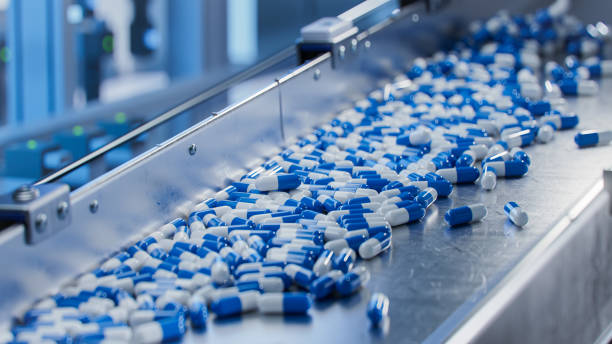
As geopolitical tensions intensify between the U.S. and China, American pharmaceutical companies are reassessing their dependence on Chinese partnerships for manufacturing, research, and essential ingredients. From giants like AstraZeneca to specialized biotech firms such as New Jersey’s Amicus Therapeutics, which sources materials for rare-disease treatments, companies are exploring non-Chinese suppliers to mitigate "China risk."
Industry experts warn this shift could slow drug production and increase costs in the U.S., where supply chains rely heavily on Chinese resources. Many Americans may not realize that their healthcare is closely tied to China, which provides critical pharmaceutical components and services at a competitive cost. However, escalating trade and military disputes have made U.S. and European firms wary of relying on a single nation for such essentials.
“Companies are choosing to diversify to minimize risks tied to reliance on specific countries,” said Nello Mainolfi, CEO of Kymera Therapeutics, a Massachusetts-based firm developing treatments for cancer and immune disorders. Kymera is relocating some of its production work to Europe, India, and the U.S. to reduce dependency on China.
One key factor driving this shift is the recently introduced Biosecure Act, which passed the House with strong bipartisan support. The legislation would prevent companies receiving U.S. government funds from partnering with certain Chinese firms, including industry leaders WuXi AppTec and WuXi Biologics. WuXi AppTec called this move “unjustified,” stating it does not pose any security threat. The Act’s Senate prospects remain uncertain, but its potential restrictions have already led companies to rethink partnerships with Chinese firms, said Steve Abrams of Hogan Lovells.
While the industry isn’t cutting ties with China entirely, supply chains are evolving. Companies like Vir Biotechnology, based in San Francisco, have shifted manufacturing operations from WuXi Biologics to U.S. partners, a strategy increasingly pursued by drugmakers worldwide. Amicus Therapeutics, reliant on Chinese-sourced materials for its Pompe disease treatment, is now seeking suppliers outside China, CEO Bradley Campbell noted, with WuXi Biologics itself aiding diversification efforts by opening a facility in Ireland.
China remains attractive as the world’s second-largest drug market, especially for Western companies eager to reach its aging population. Meanwhile, Chinese biotech firms are expanding their global presence through licensing deals, aiming to bring Chinese-developed medications to international markets. However, the shift away from Chinese suppliers could delay or increase the cost of new drugs in the U.S., as companies redirect resources from research and trials to restructuring their supply chains, according to John Maraganore, former CEO of Alnylam Pharmaceuticals.
Amid these headwinds, Chinese firms like WuXi are reporting robust business, despite U.S. challenges. WuXi AppTec recently noted a surge in order backlogs, reflecting continued demand even as companies look to diversify. Invivyd, a Massachusetts-based biotech that worked with WuXi Biologics for its COVID-19 therapy, has already identified alternative sites to carry out future R&D and production.
The search for new partners and supply routes is becoming a critical factor for startups seeking funding. Tess Cameron of RA Capital Management said supply chain stability now ranks among top considerations for venture capitalists evaluating biotech investments. For the U.S. pharmaceutical sector, balancing cost, efficiency, and security will be essential as it navigates an increasingly complex global landscape.