
Union Budget 2025: Paving the Way for a Healthier India
The Union Budget recommendations from India’s healthcare and medical technology sector call for a significant increase in healthcare budget allocation to over 2.5% of GDP, writes Abhay Soi, President of the Healthcare Federation of India (NATHEALTH).
- By Newsdesk
- New Delhi
- Jan 09, 2025
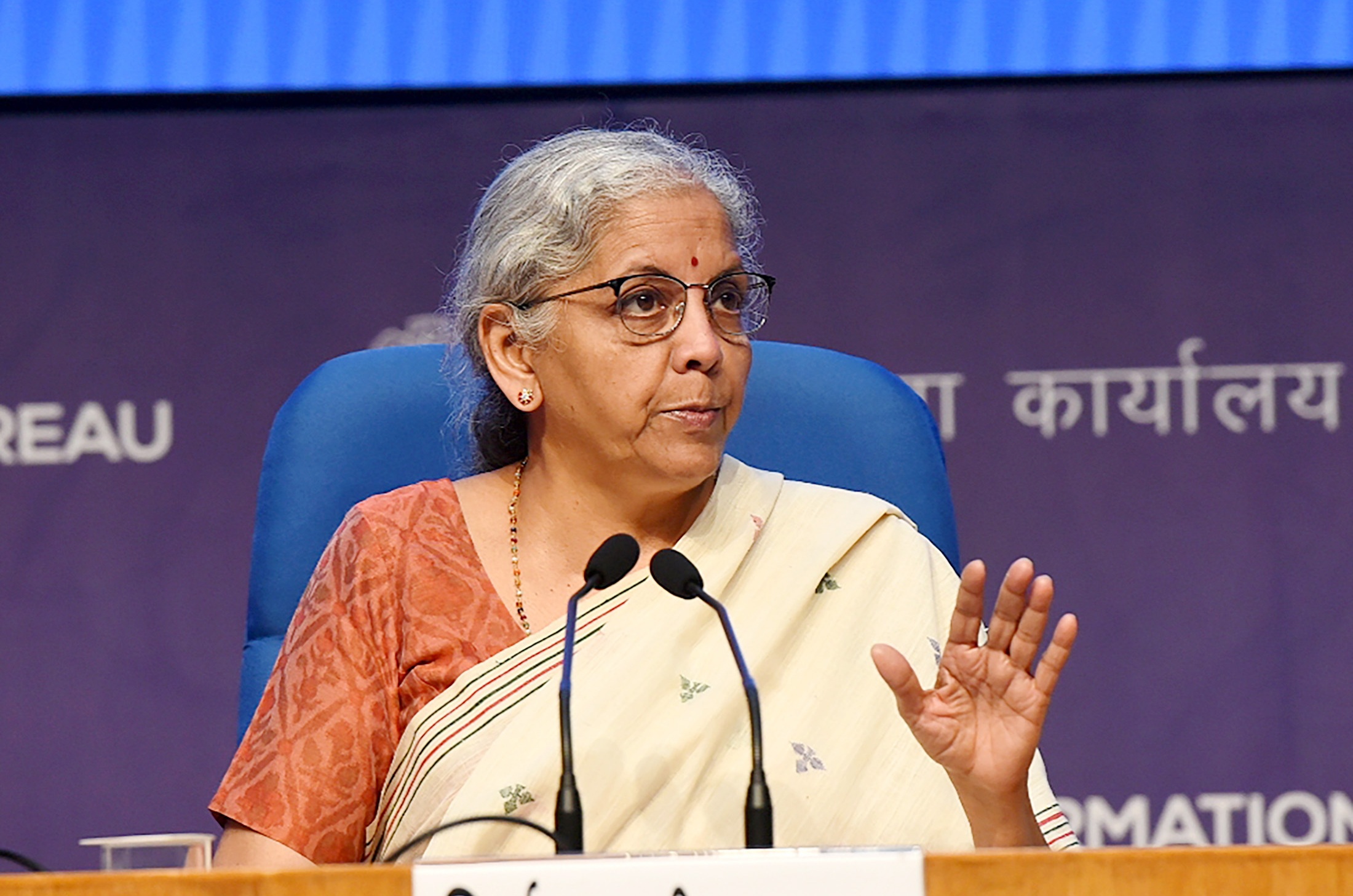
As the Union Budget 2025 approaches, stakeholders from India’s healthcare and medical technology sectors are united in their call for transformative reforms and increased financial support. Abhay Soi, President of NATHEALTH and Chairman & Managing Director of Max Healthcare Institute Limited, has outlined critical recommendations that could redefine India’s healthcare landscape. With systemic challenges such as an acute shortage of medical specialists, surging cancer care costs, and inadequate hospital infrastructure, the sector’s demands reflect the urgent need for intervention.
Key Expectations from the Healthcare and Med-Tech Sectors:
- Increasing Healthcare Budget Allocation The healthcare sector is pushing for the budget allocation to exceed 2.5% of GDP. Such an increase could address pressing issues, including the acute shortage of hospital beds and specialists.
- Reducing Cancer Care Costs • Removal of customs duties and reduction of GST to 5% on oncology radiation equipment, such as LINACs, would expand access to cancer treatment in underserved regions.
- Redirecting Public Health Revenues • Allocate proceeds from healthcare cess and a proposed 35% GST slab on tobacco and sugar products to bolster public health programs. • Advocate for a unified 5% GST on healthcare goods and services to lower input costs and ensure affordability.
- Encouraging Vertical Hospital Expansion • Nationwide approval for hospital heights up to 60 meters (from the current limit of 45 meters), supported by funding for fire safety upgrades to ensure compliance and safety.
- Strengthening Health Infrastructure • Add 2.5–3.0 million hospital beds through Viability Gap Funding (VGF) and long-term, low-interest capital investments to encourage participation from mid-sized and smaller healthcare providers.
- Viable Insurance Reimbursement Rates • Index reimbursement rates under schemes such as CGHS, PMJAY, and ECHS to the Consumer Price Index (CPI). Many current rates have remained unchanged for nearly a decade, threatening the financial viability of hospitals.
- Expanding Medical Education • Increase MBBS and postgraduate medical seats through government investments and alternative financing mechanisms, such as loans and interest subventions. • Raise tuition fees for private DNB programs by 75%–100% to fund capacity expansion.
- Advancing Digital Health • Launch a 10-year digital health incentive plan to drive the adoption of Ayushman Bharat Digital Mission (ABDM) infrastructure, enhance data security, and implement electronic health records (EHR). • Promote collaboration among industry, academia, and start-ups to foster digital innovation.
- Promoting India as a Healthcare Hub • Establish a dedicated fund to position India as a global leader in healthcare and medical tourism, with targeted investments in critical and holistic health services.
- Funding Med-Tech R&D • Announce a fund to support R&D in the med-tech sector, rewarding innovation and transitioning to standardized procurement norms for value-based care.
The Road Ahead
“By implementing strategic reforms, we can pave the way for a robust, equitable, and innovative healthcare system. Expanding hospital capacity, establishing viable reimbursement frameworks, and advancing medical education will not only address current challenges but also secure India’s position as a global healthcare leader,” said Abhay Soi. “These efforts will ensure a healthier and more sustainable future for all.”
The healthcare sector’s vision aligns with India’s ambition to become a global leader in medical innovation and healthcare delivery. As the nation awaits the Union Budget 2025, these recommendations offer a blueprint to address systemic gaps and foster a healthier, more equitable India.