
WHO Declares Global Health Emergency as Rare Ebola Strain Spreads Untreated
The crisis took on international dimensions following confirmation that the virus has breached borders. Medical officers in the Ugandan capital of Kampala reported laboratory-verified cases, including one death, traced directly to individuals traveling from the Congo.
- By Newsdesk
- Geneva
- May 18, 2026
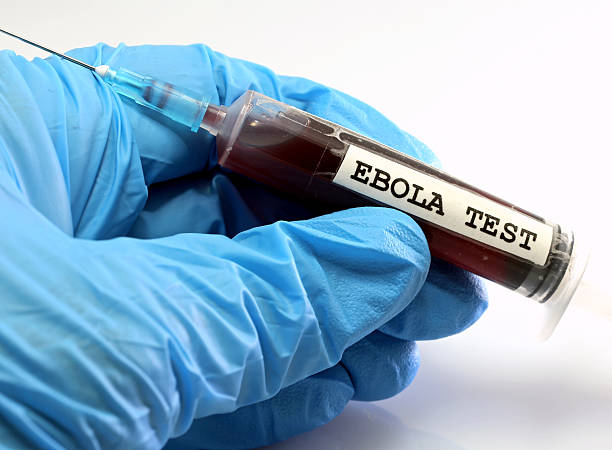
The World Health Organization has officially designated a rapidly escalating Ebola outbreak in the Democratic Republic of Congo and neighboring Uganda as a Public Health Emergency of International Concern. The declaration shifts global health networks into high alert, driven by a critical vulnerability: the outbreak is fueled by the rare Bundibugyo virus strain, for which there are currently no approved vaccines or targeted therapies.
Health authorities warned that while the situation does not meet the technical criteria for a pandemic, it poses an extraordinary regional threat. Case counts have surged swiftly, with dozens of suspected fatalities and hundreds of potential infections reported across multiple health zones in northeastern Congo's Ituri province, including the major centers of Bunia, Rwampara, and Mongbwalu.
The crisis took on international dimensions following confirmation that the virus has breached borders. Medical officers in the Ugandan capital of Kampala reported laboratory-verified cases, including one death, traced directly to individuals traveling from the Congo. Simultaneously, a separate infection was confirmed in the Congolese capital of Kinshasa in a traveler returning from the western hotspot, confirming that the pathogen is migrating along major transit corridors.
The United Nations health agency emphasized that the official numbers likely represent only a fraction of the actual crisis. High positivity rates among early diagnostic samples and a pattern of unlinked infections suggest the true scale of transmission is vastly underreported. Compounding the danger, several medical professionals, including multiple nurses, are among the casualties, exposing severe gaps in localized infection control protocols within regional clinics.
Unlike the more common Zaire variant of Ebola which can be managed with existing vaccines like Ervebo the Bundibugyo strain lacks a medical countermeasure. It features a historical mortality rate hovering between 25 and 50 percent, making rapid containment heavily reliant on traditional public health interventions such as strict isolation, meticulous contact tracing, and safe burial practices.
In its directive to the international community, the global health body urged neighbouring nations to immediately activate national disaster management systems, intensify healthcare surveillance, and establish cross-border screening checkpoints. However, the agency explicitly advised against closing official borders or enforcing sweeping trade embargoes. Experience from past outbreaks demonstrates that broad travel bans fuel panic and drive populations to use unmonitored, informal border crossings, severely undermining the ability of health workers to track and contain the virus.